A car can be rare without being impossible to save. That is the strange comfort behind Zimmer Golden Spirit restoration, because the car is half coachbuilt oddity and half familiar American hardware. Owners searching for parts usually want a clear answer: can this thing be restored without draining the bank account or sitting unfinished for years? The answer is yes, but only if you understand which side of the car you are working on.
The engine, transmission, brakes, many electrical pieces, and much of the service logic come from Ford’s Mustang world. That keeps the car from becoming a museum-only headache. The body trim, lamps, interior dress pieces, emblems, vinyl roof work, and certain chrome items are another story. Those parts need patience, cross-reference work, and sometimes a good fabricator. For deeper ownership reading across oddball cars and collector repairs, specialty automotive ownership guides can help you think past the sale price. This rare American classic rewards the owner who buys slowly, labels everything, and treats missing trim as a project before it becomes a crisis.
Why Zimmer Golden Spirit Parts Availability Feels Split in Two
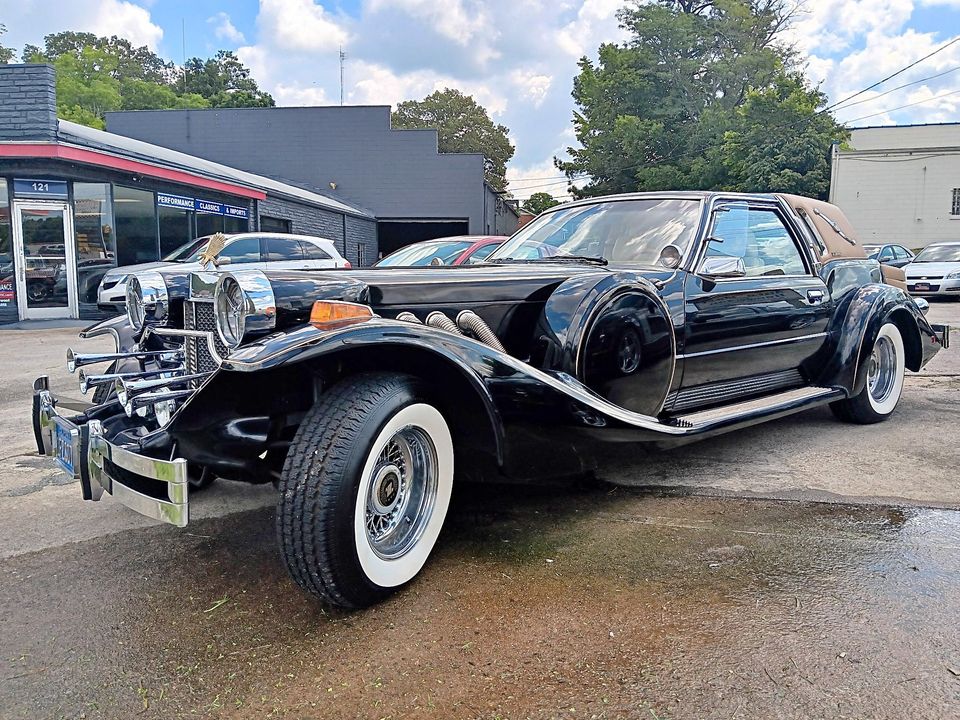
The Golden Spirit looks like it should be a parts nightmare from nose to tail. Long hood, fake prewar drama, horns, side-mount spare covers, padded roof, extra lamps, thick chrome, and an interior that feels half luxury lounge. Yet the car’s bones came from a production Ford donor. That creates a split personality that matters more than any auction description.
The Mustang side keeps the car usable
The best news sits under the skin. Many Mustang donor components are still supported through the huge Fox-body parts market. A U.S. shop that knows older Fords can usually deal with ignition parts, fuel delivery, cooling checks, brake service, suspension inspection, belts, hoses, seals, and routine drivability work. That does not make the car cheap, but it keeps the first layer sane.
A smart owner starts with the VIN, not the Zimmer production tag. The donor model year can matter when ordering engine, transmission, or interior-related pieces. A car finished by the coachbuilder in one calendar year may still carry a different Ford model year in the VIN. That small detail can save you from ordering the wrong alternator, switch, or trim match.
This is where the car gets counterintuitive. The wild-looking body is not always the expensive part at first. A neglected fuel system, tired cooling parts, old rubber, worn steering joints, or a hacked stereo can eat money before the chrome ever comes off. A running car with ugly trim may be a better buy than a shiny one with weak mechanical records.
The coachbuilt side demands detective work
Golden Spirit parts become harder when they were chosen from outside the Mustang shelf or made for Zimmer alone. Some lights came from other manufacturers. Some interior pieces were sourced from luxury cars. Some items were altered after Zimmer fitted them. An owner may discover that a lamp lens is easy to buy, while the housing around it has no known source.
That is why photos matter. Before you remove a rear reading lamp, opera lamp, emblem, trunk light, or side marker, photograph it from every angle. Measure it. Note the wire colors. Bag the screws. A missing clip that looked silly on the bench can turn into a week of calls later. The car forgives slow work. It punishes casual teardown.
The better method is to build a personal interchange sheet. List what came from Ford, what came from Volkswagen, Toyota, Cadillac, RV suppliers, marine suppliers, or old audio stock, and what appears to be custom. This habit sounds dull. It is not. It becomes your private map when the car needs the same small part again three years later.
Finding Golden Spirit Parts Without Buying the Wrong Stuff
Parts hunting for this car works best when you stop searching like a normal shopper. Typing the car name into a marketplace will catch emblems, brochures, hubcaps, and the odd used item, but many correct pieces were never listed under the coachbuilder’s name. The owner who wins searches by donor, part shape, measurements, and production clues.
Search by donor year before searching by badge
Start with the Ford side. Decode the VIN, confirm the model year, engine code, and transmission type, then shop as if you were maintaining the correct Mustang donor. That gives you a cleaner path for tune-up items, service parts, mechanical wear pieces, and many cabin controls. The Fox Body Mustang maintenance checklist is the kind of internal resource worth pairing with your records.
Do not skip the official safety check. The NHTSA recall lookup lets owners search by VIN and review recall-related information. Older specialty cars can have gaps in records, odd titles, or donor-based registration history, so the VIN is the best starting point. It also helps when a seller calls the car by the coachbuilder name, while paperwork follows Ford language.
One real-world example: an owner chasing a brake pull may waste time asking for rare coachbuilt parts. A better shop checks the donor system first, then confirms whether Zimmer changed any related hardware. That order saves money. It also keeps the mechanic from treating every problem as exotic.
Build relationships with small sellers
The second path is people, not catalogs. Zimmer owners, Fox-body parts vendors, trim shops, older restoration yards, and eBay sellers with odd inventory can matter more than large retailers. A rare American classic often survives because one retired owner kept bins of take-off pieces, not because a warehouse stocks everything by make and model.
When you message a seller, do not ask, “Will this fit my car?” Send photos, measurements, production number if known, donor year, and the exact location of the part. Ask whether the seller has seen that piece on a matching car. This puts you ahead of the buyer who sends one blurry photo and hopes for magic.
The non-obvious trick is to buy some small spares before you need them. Knobs, caps, lenses, trim clips, badge pieces, lamp parts, and interior switches take less space than body panels. If the price is fair and the part is correct, waiting can cost more. The part may not return for months.
Restoration Budgeting When Parts Are Available but Time Is Not
Availability is not only about whether a part exists. It is also about how long it takes to find, fit, restore, plate, ship, or remake. That is the line many new owners miss. A $60 lens can become a $600 problem if the housing is broken, the gasket is gone, and the mounting holes were enlarged during an old repair.
Separate service work from appearance work
Budget the car in two lanes. The first lane is safety and driving: tires, brakes, fuel lines, cooling, steering, charging system, lighting, wipers, seat belts, and road manners. The second lane is appearance: paint, vinyl roof, chrome, wood trim, upholstery, emblems, wire wheels, and decorative lighting. Mixing the two lanes causes panic spending.
A drivable car with faded vinyl and tired leather can still be enjoyed while you collect parts. A polished car with weak brakes or ancient tires is a garage ornament with risk attached. This sounds plain, but it changes the whole restoration plan. Spend first where failure can strand you or hurt someone.
For planning, keep a rolling parts fund. Put money aside for items that appear without warning. You may search six months for a correct lamp, then find two in one week. If the fund is empty, the chance passes. The classic car restoration budgeting guide can sit beside your own spreadsheet for this reason.
Custom work may beat endless searching
Some parts should be restored or remade rather than hunted forever. Vinyl roof work, leather repair, wood veneer, wiring cleanup, bracket repair, and some trim backing pieces can be handled by skilled local shops. In many U.S. cities, a boat upholstery shop or old-school hot rod interior shop may understand the materials better than a modern dealer service desk.
Chrome and gold-tone pieces need more care. Before sending anything out, ask whether pot metal, plated plastic, or thin trim can survive the process. Cheap plating work can ruin parts that were hard to find. A careful shop will talk about base metal, pitting, polishing loss, and masking. A rushed one will promise too much.
The surprise is that perfect originality is not always the smartest goal. If a hidden bracket or gasket can be made better without changing the car’s character, do it. Save strict originality for visible pieces that define the car. That balance keeps the project moving without turning the car into a loose replica of itself.
How to Inspect a Car Before You Commit to the Project
The worst time to learn parts availability is after the transporter leaves. A Golden Spirit can look grand in photos because the shape is theatrical by nature. Long fenders and bright trim distract the eye. You need a colder inspection routine than you would use on a normal weekend classic.
Missing trim is more serious than tired paint
Paint can be expensive, but missing trim can be worse. Walk around the car with a checklist. Confirm the hood ornament, grille pieces, horns, bumper trim, side-mount spare covers, running-board trim, opera lights, emblems, marker lights, trunk hardware, wheel pieces, roof trim, and interior switchgear. Photograph both sides so you can spot mismatched parts later.
Look at the roof closely. Landau padding and vinyl can hide rust, poor repairs, water entry, and old adhesive issues. Interior water stains around the rear seat, quarter trim, or headliner can point to roof or glass leaks. A car that smells damp may need more than carpet.
A useful test is to value missing pieces before you value paint. If a seller says, “That trim is easy to find,” ask where. Then search while you are still negotiating. If you cannot find another example, price the car as if that piece needs restoration, fabrication, or a long hunt.
Documentation can be worth real money
Paperwork is not romantic, but on this car it matters. You want title consistency, VIN clarity, donor year notes, old service receipts, photos of prior work, upholstery records, wheel information, and any parts interchange notes from past owners. A thin file does not kill a deal. It lowers trust.
Ask whether removed parts are included. Many projects lose value because the previous owner took off trim for paint and never reinstalled it. Boxes of dirty parts can look like clutter, but they may hold clips, brackets, lamps, and badges you cannot buy on command.
The final inspection move is simple: bring someone who is not charmed by the car. You may love the absurd hood, the long nose, and the theater of it all. Your helper should care about wiring splices, door fit, soft floors, brake lines, and whether the windows work. That person may save the project.
Conclusion
Restoring this car is less about luck and more about sorting the known from the unknown. The Ford-based side gives owners a fair chance, especially when the VIN guides service parts and Mustang donor components. The coachbuilt side asks for patience, photos, measurements, and respect for small pieces that may never appear in a normal catalog.
A serious owner should treat Zimmer Golden Spirit as a parts puzzle with a strong mechanical foundation, not as a lost cause. That mindset changes the buying decision. You stop fearing the whole car and start grading each system. Drivetrain parts, safety work, and common service pieces can be planned with confidence. Trim, lamps, emblems, upholstery, and chrome need a slower hunt.
The best restoration starts before the first wrench turns. Decode the VIN, inspect the missing pieces, build a parts list, and buy the car based on what is absent, not only what shines. Do that, and this strange American luxury statement can return to the road with dignity. Save the rare pieces, document every fix, and let the car stay wonderfully odd.
Frequently Asked Questions
How hard is it to find parts for this Zimmer model?
Mechanical parts are often manageable because many items trace back to Ford donor hardware. Trim, emblems, lamps, roof pieces, and interior dress parts are harder. The best results come from mixing Mustang suppliers, owner groups, salvage searches, and careful part-number research.
Is the car based on a Ford Mustang?
Many examples use Fox-body Mustang hardware, which helps with engine, transmission, brake, electrical, and service-part sourcing. The coachbuilt body and luxury trim are the harder side. Always confirm the donor year through the VIN before ordering parts.
What parts are most difficult to replace?
Unique exterior trim, chrome pieces, emblems, lamp housings, roof trim, custom interior panels, and certain decorative items can be difficult. Small missing parts may cause bigger delays than major mechanical repairs, so inspect those pieces before buying a project car.
Can a normal mechanic work on one?
A shop familiar with older Fords can handle much of the mechanical service. Body, trim, upholstery, and electrical cleanup may need a restoration shop or specialty fabricator. Pick the shop based on the job, not only the badge on the hood.
Should I buy a car with missing trim?
Only if the price reflects the hunt ahead. Missing trim can be harder to solve than tired paint or worn leather. Search for the missing pieces before closing the deal, then assume fabrication or repair may be needed if no source appears.
Are reproduction parts available?
Some reproduction pieces exist, especially small emblem-related items, but coverage is limited. Many owners still depend on used parts, donor-car interchange, repair work, or custom fabrication. Treat reproduction availability as helpful, not as a full safety net.
What should I check before ordering mechanical parts?
Start with the VIN, donor model year, engine code, and transmission type. The production date on a coachbuilder plate may not match the Ford model year. That mismatch can lead to wrong parts unless you confirm the donor details first.
Is restoring one worth the money?
It can be worth it for an owner who loves the car’s strange character and buys carefully. It is not the best choice for quick resale profit. The right project has solid mechanical bones, complete trim, clear paperwork, and enough records to guide repairs.