
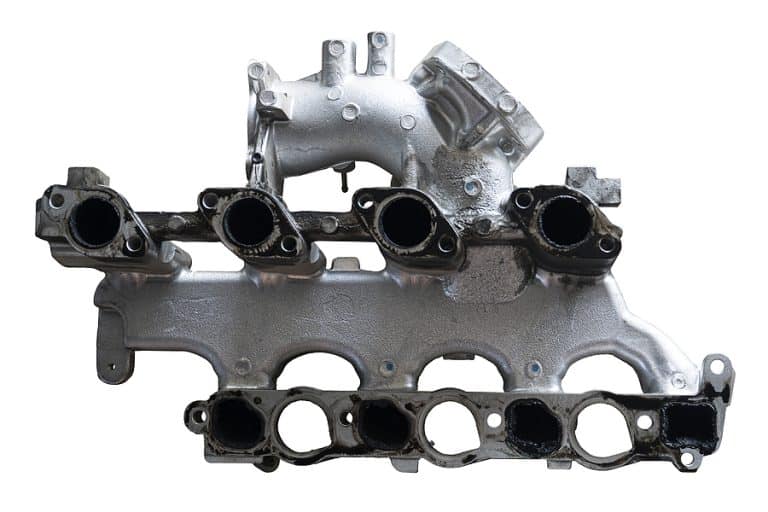
A small crack in the intake can make a car feel haunted at idle. Cracked plastic intake manifold symptoms often begin as a shaky stoplight, a faint hiss, or a check engine light that returns after you clear it. The real problem is simple: unmeasured air slips into the engine, or coolant escapes where it should not. On many high-mileage cars in the USA, heat cycles, age, brittle plastic, and old gaskets turn a small flaw into a drivability headache. You may notice poor throttle response, lean fuel codes, a rough idle after startup, coolant loss, or a sweet smell near the engine bay. Some drivers blame bad gas. Others replace spark plugs first. That can waste money if the plastic intake manifold leak is the source. Good automotive maintenance guidance helps you slow down and read the pattern before buying parts. The goal is not panic. It is catching the crack before overheating, misfires, or repeated lean running make the repair bill climb.
Cracked Plastic Intake Manifold Symptoms You Feel Before You See Anything
The first signs rarely look dramatic. A cracked intake often acts like a sneaky air leak, not a broken part hanging loose under the hood. That is why drivers miss it. The engine may still start, still commute, and still pass a quick glance from someone who checks only belts, hoses, and fluid levels. Then one cold morning, the idle hunts up and down like the car cannot decide how much air it wants.
Why Vacuum Leak Symptoms Show Up First
Vacuum leak symptoms tend to arrive before coolant leaks or visible damage because the intake sits in the path between outside air and combustion. When a crack opens after the mass airflow sensor, the engine receives air the computer did not measure. The computer tries to correct the mixture by adding fuel, but it can only adjust so far.
That is when the check engine light may appear with lean codes, often P0171 or P0174 on many OBD-II cars. You may feel hesitation when leaving a stop sign, a higher-than-normal idle, or a stumble when shifting from park to drive. A light whistle near the engine can also show up, though road noise and cooling fans often hide it.
One non-obvious clue is that the car may run worse at idle than at highway speed. Many owners expect a cracked part to fail under load, but a small air leak can be more noticeable when the throttle plate is mostly closed. At cruising speed, the extra air becomes a smaller slice of total airflow, so the engine may feel smoother.
When a Rough Idle High Mileage Engine Points Upward
A rough idle high mileage engine does not always mean worn spark plugs or a weak coil. Those parts fail often, so they get blamed first. Yet an intake crack can mimic ignition trouble because the cylinders receive an uneven air-fuel mix. The shake feels similar from the driver’s seat.
Think of a 170,000-mile GM, Ford, Toyota, or Chrysler product that runs fine once warm but shivers during the first minute after startup. The owner changes plugs, cleans the throttle body, and pours in fuel system cleaner. The idle improves for a day, then comes back. That pattern should make you inspect the intake area, not keep chasing random tune-up parts.
A plastic intake manifold leak may also change sound when you spray water lightly around suspect areas or when a shop uses a smoke machine. Do not flood hot parts or spray flammable cleaner near ignition sources. Smoke testing is cleaner and safer, and it can expose a hairline crack that your eyes would never catch.
Why Plastic Intake Manifold Leak Problems Get Worse With Age
High-mileage engines live through thousands of heat cycles. Plastic expands, cools, hardens, and loses some of its original strength. The intake may still look normal from the top, but mounting flanges, runner seams, and gasket channels can distort. Age does not break every manifold. It does make small design weaknesses less forgiving.
Heat Cycles Make Small Cracks Behave Like Moving Targets
A crack in cold plastic may seal enough to hide during a quick driveway check. Once the engine bay heats up, the crack can open wider. That is why some drivers notice rough idle after startup, while others notice trouble only after a long errand run. The timing depends on where the crack sits and how the surrounding plastic moves.
This moving-target behavior frustrates diagnosis. A scan tool may show fuel trims that look bad one day and almost normal the next. The car may pass a short test drive, then stumble during school pickup traffic. Mechanics see this often with aging plastic parts: the failure is not absent. It is changing shape with temperature.
A helpful clue is repeatability. If the idle changes when the engine warms, when accessories turn on, or when you sit in gear at a stop, write it down. That small note can save a shop half an hour of guessing and push the test toward smoke, fuel trims, and manifold inspection.
Coolant Leak Intake Manifold Clues Are Easy to Misread
Some plastic intakes carry coolant through or near the manifold assembly. When that area cracks or the gasket fails, the signs can feel unrelated to air leaks. You may smell sweetness near the hood, see low coolant in the reservoir, or notice crusty residue around the intake seam. The temperature gauge may climb during traffic, then settle down once air moves through the radiator.
Coolant leak intake manifold trouble can be mistaken for a bad radiator cap, aging hose, or weak water pump. Those parts may fail too, but the clue is location. If coolant appears near the top of the engine rather than low near the radiator or under the water pump, the intake deserves attention.
The counterintuitive part is that a tiny coolant seep can be more dangerous than a messy leak. A puddle grabs attention. A slow loss gets topped off and forgotten. Over time, trapped air pockets and low coolant can lead to overheating, and overheating can turn a manageable manifold repair into head gasket anxiety.
How Drivers Can Separate Manifold Trouble From Other Engine Faults
The best diagnosis starts with pattern reading, not part swapping. A cracked intake can look like ignition failure, fuel delivery trouble, bad sensors, or worn mounts. You need to compare symptoms against how the engine behaves under different conditions. That keeps you from replacing the loudest suspect instead of the guilty one.
Scan Tool Data Tells a Better Story Than Guesswork
A basic code reader gives you the headline. A scan tool with live data gives you the plot. If short-term and long-term fuel trims are high positive numbers at idle, then drop closer to normal when you raise rpm, that points toward an engine vacuum leak. It does not prove the intake is cracked, but it points upward in the right direction.
A shop may also watch misfire counters. If one bank runs lean or one cylinder misfires more than the others, the location of the intake crack or gasket leak may match the data. That is far better than replacing every coil because the engine shakes.
Before you order parts, run your VIN through the NHTSA recall lookup. Recalls are not the same as normal wear repairs, and most cracked intakes are owner-pay jobs. Still, checking takes a minute and can prevent you from missing a safety or emissions action tied to your vehicle.
Simple Tests Can Keep You From Buying the Wrong Parts
There are a few sensible checks before the wallet opens. Listen near the intake with the hood up. Look for damaged vacuum lines, loose clamps, split PCV hoses, and oil staining around gasket edges. A plastic intake manifold leak is not always the manifold body itself; connected hoses and seals can create the same behavior.
For a home mechanic, the safest path is observation plus a scan. Watch idle quality cold and warm. Note whether the brake pedal feels different, since some vacuum leaks affect brake booster behavior. Look for coolant loss over several days instead of judging from one glance at the reservoir.
For deeper testing, a smoke machine is the clean answer. Many independent shops use it because smoke exposes leaks without guessing. If you are building a repair checklist, pair this step with an engine vacuum leak diagnosis so you can separate intake trouble from PCV, brake booster, throttle body, and hose problems.
What Repair Choices Make Sense Before Damage Spreads
Once you suspect the intake, the question becomes how far to go. Some drivers want the cheapest patch. Some want every nearby gasket replaced at once. The right answer depends on the vehicle, mileage, labor cost, access, and whether coolant passes through the intake assembly. Shortcuts can work for a hose. They rarely age well on a cracked manifold body.
Repair, Replace, or Keep Driving Is a Risk Decision
Driving with a small air leak may seem harmless because the car still moves. The risk is that lean running can raise combustion heat and create repeated misfires. The catalytic converter also dislikes raw fuel from misfire events. A cheap delay can become an expensive exhaust repair.
A cracked plastic intake body usually needs replacement, not glue. Epoxy patches may hold on a low-stress cosmetic crack, but intake plastic sees heat, vibration, pressure changes, and oil vapor. Once the body has warped or split near a sealing surface, the repair has to restore shape and seal, not cover the wound.
One practical example: a minivan owner with 190,000 miles sees lean codes and low coolant. The shop confirms smoke from the intake seam and coolant residue near the same corner. Replacing only the gasket may save money that week, but if the plastic flange is warped, the leak can return. The wiser repair is the part that fixes the failed surface.
Parts Quality and Labor Access Matter More Than the Box Price
The manifold price is only one line on the bill. Labor can dominate because the intake may sit under wiring, fuel rails, brackets, sensors, and brittle connectors. On some engines, access is friendly. On others, the rear bolts turn the job into a patient afternoon.
Ask what comes with the replacement. Some assemblies include gaskets, sensors, runner controls, or coolant fittings. Others are bare. If your old sensors are working, swapping them may be fine. If a brittle fitting is known to crack during removal, replacing it while the intake is off can be cheaper than returning later.
This is where a high-mileage engine maintenance guide earns its place. The intake job is a chance to inspect PCV hoses, coolant hoses, thermostat housing, and vacuum lines. The non-obvious win is not replacing extra parts for fun. It is avoiding a second labor charge for a nearby old part that had to be touched during the first repair.
Conclusion
A cracked intake can make a strong engine act tired, uneven, and unreliable. The signs often begin small: a whistle, a lean code, a shaky idle, or coolant that disappears without a clear puddle. Treat cracked plastic intake manifold symptoms as early warnings, not background noise from an old car. The sooner you connect the pattern, the less likely you are to waste money on plugs, sensors, or fuel parts that were never the root cause. For most USA drivers with older daily drivers, the smartest move is simple: scan the codes, read fuel trims, inspect for coolant trails, and confirm the leak with smoke testing before buying parts. If the manifold body is cracked or warped, replacement is usually the clean repair. Do it once, do it with the right gaskets and nearby hoses, and the engine can feel honest again. Your next step is to document the signs this week and schedule a proper diagnosis before a small leak starts making larger decisions for you.
Frequently Asked Questions
How do I know if my plastic intake manifold is cracked?
Look for rough idle, lean engine codes, hissing near the intake, poor acceleration, coolant loss, or a sweet smell under the hood. One sign alone may not prove it. A smoke test, live fuel trim data, and visual inspection give a clearer answer.
Can I drive with a cracked plastic intake manifold?
Short trips may be possible, but it is not a smart long-term plan. Extra unmeasured air can cause lean running, misfires, higher heat, and poor fuel economy. If coolant is leaking, stop driving and get it checked before overheating causes damage.
How much does it cost to replace a plastic intake manifold?
Costs vary by vehicle and labor access. Many repairs land in the hundreds, while harder jobs can climb higher when sensors, gaskets, coolant fittings, or extra hoses are replaced. Get an estimate that separates parts, labor, coolant, and diagnostic fees.
What codes can a cracked intake cause?
Lean codes such as P0171 and P0174 are common on many vehicles. Misfire codes can also appear if one or more cylinders receive the wrong air-fuel mix. Codes point toward the system, but testing is needed before replacing the manifold.
Is a cracked intake the same as a bad intake gasket?
No. A gasket leak means the seal failed between parts. A cracked intake means the manifold body itself has split, warped, or opened at a seam. Both can create similar signs, so the repair depends on where smoke, coolant, or fuel trim data points.
Why do high-mileage engines get intake leaks?
Age, heat cycles, vibration, old gaskets, and brittle plastic all add stress over time. Plastic parts that survived for years can lose shape around bolt areas or seams. Once sealing pressure drops, air or coolant can escape where it should not.
Can a cracked intake manifold cause overheating?
Yes, if coolant passes through or near the intake and the leak lowers coolant level. Even a slow seep can create air pockets or leave the system short on coolant. Watch the reservoir, temperature gauge, and any crusty residue near the intake.
What is the best way to confirm an intake leak?
A smoke test is usually the cleanest test because smoke escapes from cracks, gasket gaps, and hose leaks. Live scan data also helps, especially fuel trims at idle versus higher rpm. Guessing from sound alone can lead to wrong parts.