Rain on the back glass can turn a normal lane change into a guess, especially in an SUV with thick pillars, a high tailgate, and a cargo area full of reflections. A failing rear wiper motor usually gives warning before it stops: slow sweeps, random pauses, clicking from the liftgate, a blade that parks in the wrong spot, or a rear wiper not working after weeks of weak movement. For many American SUV owners, the rear glass matters most in school pickup lines, winter slush, muddy trail exits, and tight grocery store parking lots. The back camera helps, but it does not replace clean glass. Good automotive maintenance resources can help you sort small annoyances from repairs that affect daily safety. The key is not to blame the motor too fast. A worn blade, seized pivot, blown fuse, cracked washer hose, bad switch, or broken liftgate wiring can copy the same failure. This guide walks you through the symptoms, checks, replacement steps, and cost choices without turning a simple repair into a parts-throwing contest.
Why the Rear Wiper Fails Differently on SUVs
SUVs ask more from the back wiper than sedans ever did. The rear glass sits in the dirty air pocket behind the vehicle, so road spray, salt, dust, and grit collect there fast. A front windshield gets steady airflow at speed. The hatch glass often gets the opposite: swirling grime pulled back onto the window. That is why an SUV rear wiper can seem fine in summer, then act tired after one messy week in January.
Slow movement is usually the first honest warning
A slow sweep is not small news. It means the motor, pivot shaft, linkage, or electrical feed is fighting extra load. On a Honda Pilot or Toyota Highlander that has lived through several Midwest winters, the wiper arm may crawl across the glass while the front wipers still move with normal snap. That gap tells you the problem is local to the liftgate system, not the whole vehicle.
The counterintuitive part is that the motor may still be healthy. A dry pivot shaft can make a good motor look weak. Salt and grit work under the cap where the arm bolts to the shaft. The shaft tightens, the motor strains, and the blade slows down like it is dragging through syrup.
You can learn a lot by lifting the arm off the glass and turning the rear switch on. If the arm moves faster in the air, the blade or pivot has too much resistance. If it still drags, pauses, or hums with no motion, the issue sits deeper.
Noise, heat, and wrong parking tell a sharper story
A clicking sound from the hatch often means the motor gear is trying to move but cannot finish the sweep. A grinding sound points toward stripped gear teeth inside the assembly. A wiper that stops halfway across the glass can mean the park circuit inside the unit is failing, especially when the arm lands in a new wrong spot each time.
Heat matters too. After a few test cycles, the liftgate trim should not feel warm near the motor area. Warmth suggests high resistance or internal strain. That does not mean smoke is coming next, but it does mean you should stop testing and inspect before the fuse, wiring, or control module gets dragged into the mess.
A Ford Explorer owner might notice the rear blade stops at a crooked angle after towing a small trailer through rain. The trailer blocked airflow, the back glass got coated, and the blade worked harder than normal. The surprising insight is that the failure may have started months earlier. One hard trip only made it visible.
How to Tell If It Is the Motor, Blade, Fuse, or Wiring
The fastest repair is the one that starts with the right suspect. Many owners replace the motor because the rear wiper not working feels like a dead motor. That guess can waste money. Rear hatch systems are simple on paper, but they live in a rough spot: water, slamming doors, rubber wiring boots, trim clips, and washer fluid leaks all meet in the same small area.
Start with the easy checks before opening the liftgate
Begin with the blade and arm. A torn blade can fold under itself and jam. A loose arm nut can let the shaft spin while the arm sits still. That trick fools many owners because they hear the motor but see no sweep. Pop the small plastic cap at the base of the arm and check the nut before buying parts.
Next, check the fuse. Your owner’s manual will show the rear wiper fuse location. Do not assume a blown fuse proves the motor is bad. A frozen blade, jammed pivot, or shorted washer leak can pop a fuse once. Replace it with the same rating only. If it blows again, stop. A bigger fuse is not a fix.
The NHTSA winter driving guidance tells drivers to make sure all wipers work and worn blades are replaced before winter weather hits. That advice fits rear glass too, even though many owners treat the rear blade as an afterthought. The back view becomes part of your safety margin when traffic stacks up behind you in rain or snow.
Use sound and power checks to avoid the wrong part
Sound is a useful clue. If you turn the switch and hear a steady hum from the hatch, the motor is receiving power. If the arm does not move, look at the arm nut, pivot shaft, and internal gear. If you hear nothing, the problem may be fuse, switch, relay, liftgate latch logic, wiring, or the motor itself.
Liftgate wiring deserves respect. On many SUVs, the wire bundle bends each time the hatch opens. After years of cargo runs, soccer gear, and slammed tailgates, one wire can crack inside the rubber boot. The break may be hidden. That is why the wiper may work with the hatch open at one angle but fail when it is closed.
For a careful DIY check, a basic multimeter helps. With the rear switch on, test for power and ground at the motor connector. No power means the motor may not be guilty. Power and ground present, with no movement, points toward the motor or a seized shaft. For owners building DIY confidence, diagnosing basic electrical problems in your vehicle is a smart internal next step before removing trim.
Rear Wiper Motor Replacement: When Repair Stops Making Sense
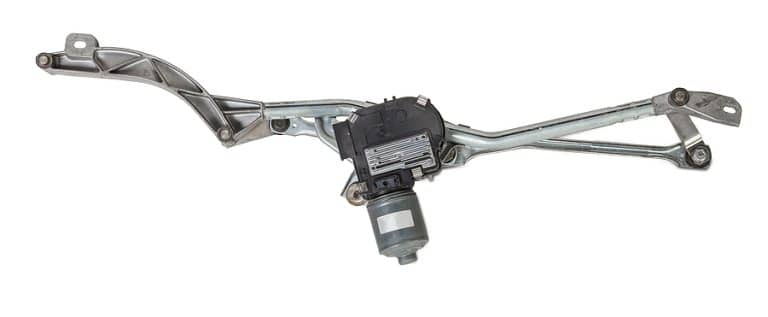
Replacement makes sense when the motor has power and ground, the arm is tight, the pivot is not frozen, and the unit still fails to move or park. It also makes sense when the gear slips, the case is cracked, or water has entered the assembly. Some rear units are sold as a full motor and shaft assembly, which is good news for SUVs with corroded pivots. You replace the weak drive and the sticky shaft together.
What a careful replacement looks like at home
Start with the battery disconnected if your SUV has power liftgate features or sensitive trim wiring near the hatch. Mark the blade’s parked position on the glass with painter’s tape. That little mark saves time later, because the new unit can park a few degrees off if the arm is installed in the wrong position.
Remove the exterior arm nut, then wiggle the arm off the splined shaft. Do not pry hard against the glass. Inside the liftgate, remove the trim panel with plastic trim tools. Expect hidden clips. Work slowly around the edges, because broken clips cause rattles that are more annoying than the original problem.
Unplug the connector, remove the mounting bolts, and slide the unit out. Compare the new and old parts before installing. The connector shape, shaft length, bolt pattern, and park position should match. After mounting the new unit, cycle it once before putting the arm back on. Let it find its home position, then install the arm on your tape mark.
Mistakes that turn a small job into a bigger one
The common mistake is forcing the old arm off the shaft. Rear arms can seize to the splines, especially on SUVs from snow states. A small puller often works better than a screwdriver. It protects the glass, paint, and washer nozzle area. Cheap force gets expensive fast.
Another mistake is ignoring water entry. If you find damp insulation, rusty bolts, or green corrosion at the connector, replacing the unit alone may not end the issue. Check the rear washer nozzle, hatch seal, and grommet. A tiny washer leak can drip into the motor area each time you clean the glass.
A Subaru Outback or Jeep Grand Cherokee owner may replace the unit and feel proud, only to see the wiper fail again after the first car wash. That usually means the root problem was water or wiring, not the motor alone. The non-obvious lesson: a new part cannot survive a bad environment forever. Fix the reason it failed.
Cost, Parts Choices, and Prevention for American SUV Owners
The money side depends on the vehicle more than the repair idea. A plain liftgate unit on an older compact SUV may be affordable. A dealer-only part on a newer luxury SUV can sting. Labor also changes with trim design. Some hatch panels pop off in minutes. Others hide screws under handles, lights, and cargo trim.
What affects the wiper motor replacement cost
The wiper motor replacement cost usually comes from four things: part source, labor time, access, and added damage. Aftermarket parts often cost less, but fit quality matters. Original equipment parts cost more, yet they may save trouble if the connector, shaft angle, or park behavior is model-specific.
A fair shop estimate should separate parts and labor. If the quote is high, ask whether the price includes the full motor and shaft assembly, new arm, trim clips, diagnostic time, or washer leak repair. Those extras can be fair. Hidden line items are where owners lose trust.
Location matters in the USA. Labor rates in Los Angeles, Boston, or Seattle can outrun rates in smaller towns. Rust-belt SUVs may need more time because the arm and shaft are seized. Sunbelt SUVs may have brittle trim clips. The repair is the same on paper, but the vehicle’s life story changes the bill.
How to keep the new unit alive longer
Do not run the rear blade across dry, dirty glass. That one habit saves the motor, blade, arm, and glass. Spray washer fluid first, wait a beat, then wipe. If the glass is packed with ice, clear it by hand before touching the switch. A frozen blade can overload the unit in one careless moment.
Replace the blade when it chatters, streaks, or skips. A cheap blade can overload the drive when the rubber hardens. For SUV owners, choosing the right replacement wiper blade matters because many rear arms use short, odd-size blades that do not match the front style.
Wash under the arm base during routine cleaning. That area traps grit. In winter states, rinse salt from the hatch and rear glass after storms. In dusty places like Arizona, Nevada, or West Texas, wipe the blade edge with a damp towel before monsoon rain arrives. The SUV rear wiper is small, but it works in the dirtiest air on the vehicle.
Conclusion
A rear wiper failure is easy to dismiss until the first storm turns your back glass into a gray wall. The good news is that most symptoms give you a fair warning before the system quits. Slow sweeps, wrong parking, clicking, blown fuses, and random operation all point toward different suspects.
The smartest move is to test in order: blade, arm nut, fuse, sound, power, ground, pivot, and water entry. That path keeps you from blaming the rear wiper motor before the evidence is there. It also protects your wallet when the true problem is a loose arm or cracked wire in the liftgate boot.
SUVs need clean rear glass because their shape collects road grime by design. Treat that back wiper like a working safety part, not a tiny accessory. Fix small drag early, avoid dry wiping, and choose parts that match your vehicle. When the symptoms line up, replace the unit with care and move on with a clear view behind you.
Frequently Asked Questions
How do I know if my rear hatch wiper drive is bad?
A bad drive often moves slowly, stops halfway, clicks inside the liftgate, parks in the wrong spot, or does nothing even when power and ground reach the connector. Check the arm nut, fuse, blade, and pivot first because each one can copy the same failure.
Why is my rear wiper not working after a car wash?
Water may have entered the liftgate trim, motor connector, washer nozzle area, or wiring boot. Let the area dry, then inspect for damp insulation, corrosion, or loose connectors. If the problem returns after rain or washing, look for a leak before replacing parts.
Can I drive an SUV without a working back wiper?
You can drive, but it is not wise in rain, snow, mud, or heavy road spray. The rear camera can become dirty too, and mirrors do not show the full story behind a tall SUV. Repair it before bad weather makes the problem harder.
Is a rear blade problem easy to confuse with a motor problem?
Yes. A torn, stiff, or wrong-size blade can drag so hard that the system looks weak. Lift the arm off the glass and test movement briefly. If motion improves in the air, inspect the blade, arm pressure, and pivot before buying a motor assembly.
How much should an SUV rear wiper repair cost?
The price depends on part source, trim access, rust, labor rate, and whether wiring or washer leaks need repair. A simple job on a mainstream SUV costs less than a dealer-only liftgate assembly on a luxury model. Ask for parts and labor to be listed separately.
Can a blown fuse mean the motor is failing?
It can, but it does not prove it. A frozen blade, seized pivot, shorted wire, or washer leak can blow the fuse too. Replace the fuse only with the correct rating. If it blows again, stop testing and trace the fault.
Why does the back wiper work only when the liftgate is open?
That pattern often points to a broken wire inside the rubber boot between the body and hatch. The wire may touch at one angle and open at another. Inspect the boot area before replacing the drive unit, especially on older SUVs.
Should I replace the rear wiper arm when replacing the motor assembly?
Replace it if the splines are stripped, the spring is weak, the arm is bent, or the blade no longer presses evenly on the glass. A good new assembly can still wipe poorly if the old arm cannot hold steady pressure.