

A breakdown never happens at a convenient time. It happens on a dark highway at 11 PM, on a rural road with no cell signal, or in the middle of a Wyoming winter when temperatures are already well below freezing. In those moments, the only thing standing between you and a very expensive evening is whether you have a plan in place before it happens.
Without roadside assistance coverage, every service call comes out of your pocket at full price. A single tow, a lockout call, and a battery jump start in the same year can easily run you $300 to $500 or more. Roadside professionals respond to these situations every day, and the drivers who struggle most are almost always the ones who had no coverage lined up.
What Roadside Assistance Covers?
Roadside assistance is a plan that covers the most common vehicle emergencies, so drivers are not left paying full price out of pocket for every incident. Most plans activate through a single phone call and dispatch a service provider directly to your location, regardless of time of day or road conditions.
The core services covered by most roadside assistance plans include:
- Towing to the nearest repair facility or a location of your choice within the plan’s mileage limit
- Battery jump starts and, in some cases, battery testing or replacement
- Flat tire service, including spare tire installation or inflation
- Lockout assistance to regain access to your vehicle without damage
- Fuel delivery when a vehicle runs out of gas on the road
- Winching and vehicle recovery for vehicles stuck in ditches, mud, or snow
Coverage is typically accessed through one of three channels: as an add-on to an existing auto insurance policy, through a motor club membership such as AAA, or through a standalone roadside assistance plan purchased independently. Some credit cards also include roadside assistance as a cardholder benefit, which is worth checking before purchasing a separate plan.
The Real Cost of Going Without Coverage
The math on roadside assistance becomes very clear the moment you look at what individual services actually cost without a plan in place. A single incident can wipe out an entire year’s worth of coverage premiums in one call. Here is what drivers pay out of pocket for the most common emergencies.
Towing Costs
Towing is where the costs escalate fastest. A short local tow of five miles or less averages $75 to $125 without coverage. Beyond that, most towing companies charge an additional $2.50 to $7 per mile, meaning a 40-mile tow runs $125 to $275, and a 100-mile tow can reach $600 or more.
In rural areas like Wyoming, where the distance between a breakdown and the nearest repair shop can easily exceed 50 miles, out-of-pocket towing costs are a serious financial exposure. After-hours calls and heavy vehicle towing add further charges on top of the base rate.
Lockout Service
Getting locked out of a vehicle costs $50 to $150 for a mobile locksmith call, depending on the type of vehicle, the complexity of the lock, and the time of day. Evening and weekend lockouts consistently come in at the higher end of that range. In remote areas where a locksmith has to drive a significant distance to reach you, expect additional fees on top of the standard service charge.
Battery Jump Start and Replacement
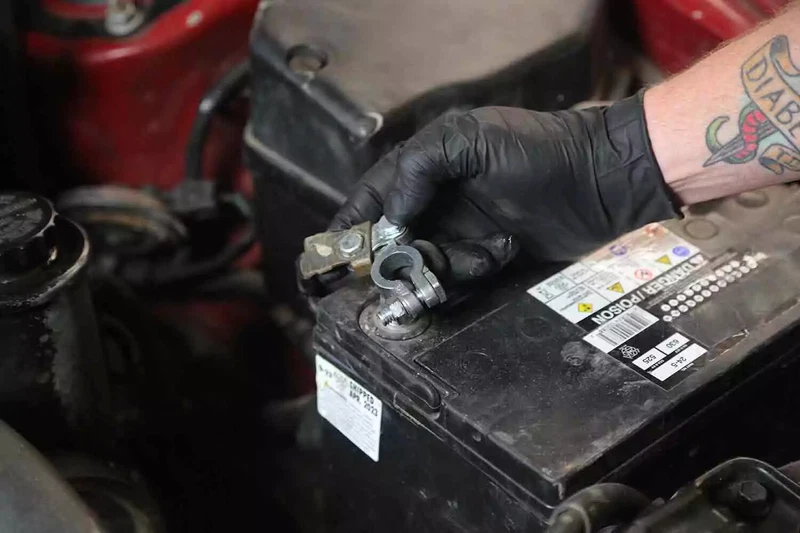
A roadside battery jump start costs $50 to $120 without coverage. If the battery needs full replacement, a mobile battery service runs $100 to $200, including the cost of the new battery. Many roadside assistance plans include jump starts as a standard service and offer discounted or covered battery replacements, which makes this one of the most straightforward areas where a plan pays for itself quickly.
Flat Tire and Fuel Delivery
Flat tire service runs $50 to $100 out of pocket for a roadside tire change or spare installation. Fuel delivery adds $50 to $80 on top of the actual cost of the fuel itself. Neither of these services is complicated, but without coverage, both require finding and calling a provider independently and paying the full rate at the roadside.
How Roadside Assistance Plans Are Priced?
Standalone roadside assistance plans typically cost between $5 and $15 per month, or $40 to $120 per year, depending on the provider and level of coverage. Insurance add-ons are often available at the lower end of that range, sometimes for as little as $3 to $5 per month added to an existing auto policy.
Compare that against a single out-of-pocket tow. According to J.D. Power, the average cost of a tow in the US is around $109. One incident at average cost already exceeds what many annual plans cost in total. Two incidents in a year, and the savings become substantial.
The three main ways drivers access coverage are:
- An auto insurance add-on is typically the most affordable option for existing policyholders
- Motor club membership, such as AAA, which includes broader benefits alongside roadside coverage
- Standalone roadside assistance plan, purchased independently for drivers whose insurance does not include this coverage
Checking whether coverage is already included in an existing auto policy or credit card benefit before purchasing a separate plan is always worth doing first.
When Roadside Assistance Matters Most?
Roadside assistance delivers the most value in situations where going without coverage is most dangerous and most expensive. These are not rare edge cases. They are scenarios that happen to drivers every day across the country.
The situations where having coverage makes the biggest difference include:
- Rural or remote breakdowns where the nearest tow provider is 30 or more miles away
- Nighttime emergencies, when service costs are higher, and safety risks are greater
- Bad weather conditions, including snow, ice, and extreme heat, make waiting dangerous
- Long highway drives far from home, where local provider knowledge is unavailable
- Situations involving children, elderly passengers, or anyone with a medical condition
In these scenarios, response time matters as much as cost. A provider who knows the local roads and terrain reaches a stranded driver significantly faster than a national dispatch system routing an unfamiliar truck to an unfamiliar location. That difference in response time has real safety implications, particularly in remote areas or extreme weather.
What to Look for in a Roadside Assistance Provider?
Not every roadside assistance provider delivers the same level of service. The plan that looks cheapest on paper can become the most expensive option if response times are slow, coverage areas are limited, or services are narrow. A few specific factors determine whether a provider is genuinely useful when something goes wrong.
24/7 Availability
Vehicle emergencies do not follow business hours. A provider that operates only during the day or has reduced availability on weekends is not a genuine safety net for drivers who spend time on the road outside of standard hours. Round-the-clock availability is a non-negotiable baseline for any roadside assistance provider worth having.
Response Time and Local Knowledge
There is a meaningful difference between a national call center dispatching an unfamiliar driver and a local provider who knows the roads, the terrain, and the fastest route to your location. In rural states like Wyoming, where highway distances are long and weather conditions can change quickly, local knowledge directly affects how fast help arrives and how effectively the situation is handled.
Range of Services
A provider that only offers towing creates additional friction and cost when a breakdown involves a lockout, a dead battery, or a flat tire, alongside the need for a tow. A full-service provider handles every common roadside situation in a single call, which reduces both the time and the total cost of getting back on the road.
FAQs
What does roadside assistance typically cover?
Most plans cover towing, battery jump starts, flat tire service, lockout assistance, fuel delivery, and winching for stuck vehicles. Coverage limits vary by plan, particularly for towing distance and the number of service calls included per year.
What should I do if I break down without roadside assistance?
Move the vehicle safely off the road if possible, turn on hazard lights, and call a local towing or roadside service provider directly. Be prepared to pay out-of-pocket rates, which vary by provider, distance, and time of day.
How quickly does roadside assistance typically respond?
Response times vary significantly by provider and location. Local providers with knowledge of the area typically respond faster than national dispatch services routing unfamiliar drivers. In rural or remote areas, local provider familiarity with the terrain makes a measurable difference to arrival time.
Conclusion
Roadside assistance is not an optional extra. It is the plan that turns a $300 emergency into a covered service call. For drivers who regularly travel rural highways, remote roads, or long distances from the nearest town, having a reliable provider on call before something goes wrong is one of the most practical and cost-effective decisions available. The savings from a single incident almost always exceed the annual cost of the plan itself.
Smith Oil Field Service has been providing 24/7 towing and roadside assistance across Wyoming for 65+ years. Serving five counties, including Hot Springs, Washakie, Park, Fremont, and Big Horn, the team responds to flat tires, dead batteries, lockouts, vehicle recovery, and all-terrain towing across some of the state’s most remote and demanding roads. When a breakdown happens far from town in conditions that cannot wait, Smith Oil Field Service is the team that knows the terrain and gets there fast.
Contact their team for reliable roadside assistance and keep their number saved before you need it!