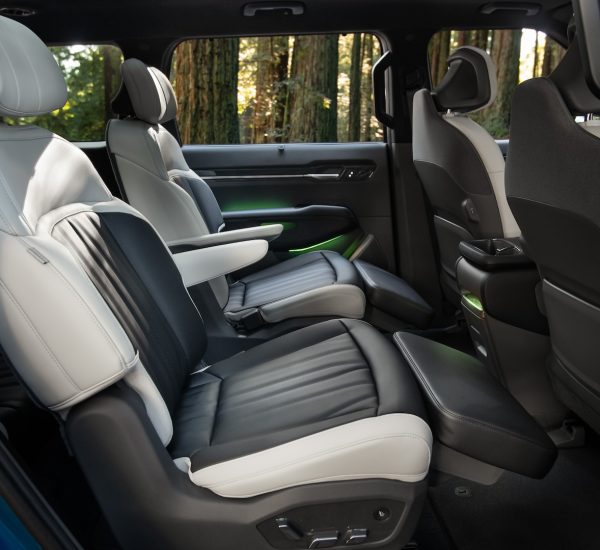

Buying a car can feel less like choosing a vehicle and more like trying to read a room where everyone is speaking in prices, waiting lists, and fine print. You walk in thinking about comfort, safety, and monthly payments, but the deal in front of you is shaped by vehicle market trends long before you meet a salesperson. That matters because the smartest buyer is not the one who memorizes every model spec. The smartest buyer understands why prices move, why some cars vanish from lots, and why a “good deal” changes from one month to the next. Helpful automotive insights from sources such as industry news coverage can give buyers a wider view before they commit to a purchase. When you understand the market, you stop reacting to pressure and start reading signals. That shift changes everything. It helps you know when to wait, when to negotiate, when to widen your search, and when a price is fair enough to accept without second-guessing yourself later.
Why Vehicle Market Trends Matter Before You Visit a Dealership
A dealership visit should never be your first serious step. By the time you sit at a desk and talk numbers, the wider market has already shaped the price, the trade-in value, the financing tone, and the number of choices in front of you. Buyers who ignore that background often judge a deal only by emotion: the car looks right, the payment sounds manageable, and the salesperson says demand is strong. That is not enough. The better move is to understand the forces behind the offer before you become attached to a specific badge, color, or trim.
How New Vehicle Pricing Sets Buyer Expectations
New vehicle pricing often tells you more about the market than the sticker on one car. A price tag reflects supply pressure, brand strategy, production costs, shipping delays, incentive programs, and consumer appetite. When several dealers quote similar numbers on the same model, that usually means the market is holding firm. When prices vary widely, you may have room to push harder.
You should treat the advertised price as a starting point, not a verdict. Some vehicles carry extra charges because demand is outpacing supply, while others receive discounts because the dealer wants space for incoming stock. The difference can be thousands, and the buyer who understands why a price sits where it does has a cleaner path to negotiation.
A grounded example helps. A compact hybrid with strong fuel savings may hold its price during a fuel-cost spike, while a large SUV may soften if buyers begin worrying about running costs. The machine did not change overnight. Buyer mood did. That is why new vehicle pricing has to be read as a living signal, not a fixed rule.
Why Car Buying Decisions Should Start With Timing
Car buying decisions are often framed around personal need, but timing can be the silent advantage. Buying at the end of a sales period, during a model-year changeover, or when a dealer has aging stock can create openings that do not exist during peak demand. A buyer who can wait even a few weeks may see better terms.
Timing also protects you from panic. When your current car breaks down and you need a replacement immediately, every weak point in your position becomes visible. Sellers know urgency. Lenders know urgency. Even you feel it, which makes a slightly bad deal feel acceptable because it solves the problem in front of you.
The counterintuitive truth is that the best time to study the market is before you need a car. That does not mean spending weekends obsessing over listings. It means checking prices, supply, and financing conditions early enough that your future self has options instead of stress.
Reading Supply Signals Without Getting Lost in Dealer Talk
Once you understand price behavior, the next layer is supply. A lot full of cars does not always mean the market favors buyers, and a sparse lot does not always mean you must pay more. Dealer inventory can be shaped by model popularity, factory allocation, trim mix, regional preference, and how quickly certain vehicles turn over. The visible lot is only one slice of the story. You need to read what is missing as carefully as what is parked outside.
What Dealer Inventory Reveals About Real Demand
Dealer inventory shows which vehicles are moving and which are lingering. If the same color and trim sits on several lots for weeks, the dealer may become more flexible. If a model appears briefly and disappears within days, you are likely dealing with stronger demand. That does not mean you should surrender your budget. It means your negotiation strategy needs to match reality.
A smart buyer looks beyond one dealership. Search within a wider driving distance and compare how many similar vehicles are available. If ten dealers have the same sedan in stock, you can invite competition. If only one dealer has the exact trim you want, your power shrinks unless you are willing to adjust color, package, or timing.
Here is where many buyers misread the moment. A rare trim can feel special, but scarcity alone does not make it worth overspending. Sometimes the rare version includes features you will barely use. Paying a premium for a panoramic roof or appearance package may feel exciting on delivery day, then disappear into the background after month two.
How Market Demand Changes the Negotiation Room
Market demand changes the tone of negotiation before anyone says a number out loud. When many buyers want the same model, dealers have less reason to chase your offer. When interest cools, the conversation shifts. Suddenly, trade-in value improves, accessories become negotiable, and financing terms may receive more attention.
You do not need to become a market analyst to read demand. Watch how dealers respond when you ask about alternatives. A salesperson who quickly offers several similar models may be sitting on stock they want to move. A salesperson who says incoming units are already reserved may be telling the truth, especially for hybrids, popular SUVs, or limited-production trims.
The odd part is that demand can rise for reasons that have little to do with the car itself. A tax change, fuel-price swing, loan-rate move, or viral review can tilt buyer interest. That means the same vehicle can feel overpriced in one season and like a bargain in another. The metal stays the same. The crowd around it changes.
Matching Your Budget to the Market Instead of Fighting It
After price and supply, the hardest part is personal: making your budget behave in a market that may not care about your plans. Many buyers start with a monthly payment and work backward. That can work, but it can also hide the true cost of the vehicle. The cleaner approach is to set a total purchase limit, understand financing pressure, and keep your must-have list honest. A disciplined budget is not a restriction. It is a shield.
Why Payment Comfort Can Hide Expensive Choices
A monthly payment can make an expensive vehicle look harmless. Stretching a loan term lowers the payment, but it can raise the total interest and keep you tied to the car longer than planned. That matters when values shift, repairs begin, or your life changes. A comfortable payment can still be a costly decision.
You should compare the full purchase price, loan term, interest rate, insurance estimate, fuel use, maintenance costs, and expected resale value. That sounds like more work than most buyers want to do, but it beats discovering later that the car fits your driveway better than your life. Numbers do not care how much you liked the test drive.
A real-world case is easy to imagine. Two buyers choose similar crossovers. One takes a lower trim with a shorter loan and keeps monthly breathing room. The other chooses a higher trim with a longer loan because the payment looks close. Three years later, the first buyer has options. The second buyer has a vehicle that still feels nice but financially heavy.
How Incentives Can Help or Distract You
Manufacturer incentives can reduce cost, but they can also pull attention away from the real deal. A rebate sounds appealing, yet it may apply only to slow-selling trims or specific financing terms. Low-rate offers can be useful, but only if the purchase price still makes sense. A weak price with a shiny incentive is still a weak price.
Car buying decisions become cleaner when you separate each part of the deal. First, negotiate the vehicle price. Then look at trade-in value. Then review financing. Then discuss add-ons. Mixing everything together gives the seller more room to blur the picture, and blurred pictures usually cost the buyer money.
The unexpected insight here is that the best deal is not always the lowest visible price. A slightly higher price from a dealer with fair fees, clear communication, and better trade handling may beat a cheaper listing padded with charges. Cheap can become expensive when the paperwork starts whispering.
Turning Market Awareness Into a Better Purchase
Knowledge only matters if it changes your behavior. A buyer who understands the market but still falls in love with the first car on the lot has gained little. The goal is not to predict every shift. The goal is to build enough awareness that you can move with confidence, question pressure, and walk away when the numbers stop making sense. Market knowledge gives you room to breathe.
How to Compare Vehicles Beyond the Sticker Price
A vehicle’s price is only one part of its real cost. Resale strength, insurance rates, maintenance history, fuel use, warranty coverage, and parts availability all shape ownership. A cheaper model with poor long-term value may cost more than a slightly pricier option that holds up better. The smart buyer sees the whole ownership arc, not only the purchase day.
Market demand plays a role here too. Vehicles with steady demand often hold value better, especially when they serve a clear purpose. Reliable compact SUVs, fuel-saving hybrids, and practical sedans can remain attractive in the used market because future buyers understand their value quickly. Flashier vehicles may need the right buyer at resale time.
You can build a simple comparison sheet before visiting dealers. List purchase price, estimated payment, insurance quote, fuel cost, warranty, expected resale strength, and known ownership concerns. That one-page view can cut through showroom emotion fast. The car that wins your heart still has to survive the math.
When Walking Away Becomes the Smartest Move
Walking away is not a failure. It is one of the strongest tools a buyer has. When a seller pressures you, changes terms, adds fees late, or dismisses your research, the market has given you useful information. It tells you that this deal may not deserve your signature.
Dealer inventory can also support patience. If similar vehicles exist nearby, there is no reason to let one salesperson make the moment feel scarce. Even when supply is tight, you can still choose dignity over pressure. No car becomes better because someone rushed you into buying it.
The best buyers have a quiet rule before they enter the showroom: the deal must make sense after the excitement fades. That rule keeps your judgment steady. It reminds you that transportation should improve your life, not trap you inside a payment you resent every month.
Conclusion
The car market rewards buyers who slow down long enough to see the pattern. Prices, incentives, inventory, demand, financing, and resale value all speak before the salesperson does. You do not need perfect information, and you do not need to outsmart every dealer in town. You need enough clarity to know whether the offer in front of you respects your budget and your patience. That is where vehicle market trends become practical, not abstract. They help you separate a fair opportunity from a polished sales pitch. The next time you consider a purchase, spend time reading the market before reading the window sticker. Compare nearby supply, check how long similar models sit, study the total cost, and decide your walk-away point before emotions enter the room. A confident buyer does not chase the market; a confident buyer lets the market reveal the right move.
Frequently Asked Questions
How can car buyers understand new vehicle pricing before visiting a dealer?
Compare prices across several nearby dealers, check the same trim and package, and watch how long listings stay active. Strong prices across many sellers often mean firm demand, while wide price gaps may show room to negotiate or signs that certain models are sitting too long.
What are the biggest market trends affecting car buying decisions?
Inventory levels, interest rates, fuel costs, model popularity, trade-in values, and manufacturer incentives often shape the buying experience. These forces affect what dealers stock, how flexible they become, and whether buyers should act quickly or wait for better conditions.
Why does dealer inventory matter when choosing a new car?
Inventory shows how much choice you have and how much pressure the dealer may feel to sell. A crowded supply of similar vehicles can strengthen your position, while limited stock may require flexibility on color, trim, timing, or location.
How does market demand affect vehicle discounts?
High demand usually reduces discounts because dealers know another buyer may accept the price. Lower demand can open the door to better offers, stronger trade-in treatment, or added incentives, especially when a vehicle has been sitting unsold for a while.
Should buyers wait if vehicle prices seem too high?
Waiting can help when you are not under pressure and supply appears to be improving. It may not help if the model you want has steady demand or limited production. The best choice depends on your current vehicle, budget, and flexibility.
How can buyers avoid overpaying for popular new vehicles?
Set a firm maximum price before shopping, compare multiple dealers, and avoid paying extra for features you do not need. Popular vehicles can tempt buyers into emotional spending, so a written budget keeps the decision grounded.
What role do incentives play in new car purchases?
Incentives can lower the purchase cost or improve financing, but they should never distract from the full deal. Review the vehicle price, loan terms, fees, trade-in value, and add-ons separately before deciding whether the incentive helps.
How often should buyers check vehicle market trends before purchasing?
Start checking several weeks before you plan to buy, then review prices and inventory every few days as your decision gets closer. This gives you a feel for normal pricing, fast-moving models, and dealers that may be more open to negotiation.