A small red stain under your car can feel easy to ignore until the shift from park to drive starts to lag. A leaking transmission pan gasket is one of the more common sources of that stain, and the early signs usually show up before the transmission itself is in danger. You may notice a wet pan edge, reddish-brown drops on the driveway, a faint hot-fluid smell after a commute, or shifting that feels slower than normal when the fluid level falls. For U.S. drivers, the smart move is not panic. It is confirmation. Find the leak, check the fluid the right way for your vehicle, and price the repair before low fluid turns a gasket job into transmission damage. Sites that publish practical auto repair guidance, including trusted automotive maintenance resources, often miss the small detail that matters most: the gasket is cheap, but the labor, fluid type, filter design, and access can swing the bill hard. That is why the same repair can feel like a weekend DIY job on one older sedan and a shop-only service on a newer sealed transmission.
Leaking Transmission Pan Gasket Symptoms Drivers Should Notice Early
Most pan gasket leaks begin quietly. The transmission pan sits low, heat cycles work on the gasket, bolts lose even clamping force, and fluid starts to creep around the pan rail. At first, the leak may look like a damp line instead of a drip. That is the trap. A slow transmission fluid leak can stay mild for weeks, then worsen after a long highway drive, cold snap, or fresh service done with uneven bolt torque.
What fresh transmission fluid stains look and smell like
Automatic transmission fluid is often red or pink when fresh, then turns darker red, brown, or burnt-smelling as it ages. On concrete, it may look thinner than engine oil and may spread into a wider stain. If the spot sits near the middle-front area of a rear-wheel-drive car, the pan is a strong suspect. On many front-wheel-drive cars, the stain may appear closer to one side.
A simple cardboard test helps. Slide a clean piece under the vehicle overnight, then check the location and color the next morning. One or two drops do not prove disaster, but they prove the leak deserves attention. A shop can add dye if the case, cooler lines, and axle seals are all wet.
The non-obvious part: a leak near the pan is not always the gasket. Fluid runs downhill. A cooler line, electrical connector sleeve, axle seal, or vent issue can wet the pan and frame the gasket unfairly. Good diagnosis starts above the wet area, not at the largest stain.
Why shifting changes only after fluid level drops
A pan gasket does not make gears slip by itself. Low fluid does. Automatic transmissions depend on fluid for lubrication, cooling, and hydraulic pressure. When the level drops enough, you may feel delayed engagement, harsh upshifts, flare between gears, or a shudder when pulling away from a stop.
This is why some drivers get fooled. The car leaks for days with no driving symptom, so they assume the issue is cosmetic. Then one cold morning, reverse takes two seconds to engage. That delay is a warning, not a personality trait.
Do not keep topping off without finding the source. Overfilling can foam the fluid, and some newer vehicles need a set temperature and fill procedure. If your car has no dipstick, the check may need a lift, scan tool data, and a fill pump.
Cost Guide: What You Are Paying For
The price is not only “a gasket.” It is shop time, fluid, filter style, pan design, bolt condition, cleanup, and the risk of broken fasteners on rusty vehicles. Current U.S. estimates commonly place a trans oil pan gasket job in the several-hundred-dollar range, with RepairPal listing an average national estimate of about $444 to $588 for many vehicles. Some simpler cars cost less, while models with awkward access or combined pan-filter assemblies can run much higher.
Transmission pan gasket replacement cost by repair type
A basic transmission pan gasket replacement cost at an independent shop often lands around $250 to $600 when the pan is easy to reach and the filter is serviced at the same time. A dealer may charge more, especially if the vehicle uses model-specific fluid or a pan with a built-in filter.
Parts tell only part of the story. A gasket itself may cost little, but fluid can add up fast. Some modern automatic transmission fluids cost far more than older Dexron-style fluids. Add a filter, pan bolts, cleaner, and labor, and the bill grows.
A fair shop quote should separate the gasket, filter, fluid, labor, and any pan replacement. If the quote says “transmission leak repair” with one round number, ask what is included. That question alone can save you from paying for a service that does not replace the filter or correct a warped pan rail.
Why some cars cost far more than others
A pickup with an exposed steel pan can be simple. A front-wheel-drive crossover with a cramped subframe, no drain plug, and a sealed fill method is a different job. Rust Belt vehicles add another layer. In Ohio, Michigan, Pennsylvania, New York, and other road-salt states, pan bolts may fight removal after years of winter driving.
The counterintuitive truth is that the gasket may not be the best part to blame. A stamped steel pan can warp from over-tightened bolts. A plastic pan can age, distort, or contain the filter. If the sealing surface is no longer flat, a fresh gasket may fail again.
For a 12-year-old family SUV, replacing the pan, gasket, filter, and fluid together may cost more today but less over the next year. Paying twice for fluid and labor because the old pan was reused is the kind of savings that stings later.
Diagnosis Before Replacement
Before parts come off, confirm the leak path. A smart inspection follows the fluid trail from clean metal to wet metal. The lowest wet point tells you where the fluid ends up. The highest wet point tells you where it likely began. That difference matters when you are trying to avoid a wrong repair.
How mechanics confirm a pan gasket leak
A technician will usually clean the case, pan edge, cooler lines, and nearby seals first. Then they may drive the car, run it on a lift, or add leak dye. If the wet line reforms at the pan seam, the gasket or pan surface becomes the main suspect.
The pan bolts also tell a story. Loose bolts can cause seepage, but tightening them without a torque pattern can make things worse. Many pan bolts need light, even torque. Cranking them down bends the pan lip and squeezes the gasket unevenly.
A good shop will inspect the transmission mount area, cooler line fittings, axle seals, drain plug washer, and electrical connector. On some European vehicles, a sleeve or plug above the pan can leak and make the pan look guilty. That is why “wet pan” should mean “inspect,” not “replace gasket now.”
When a leak is no longer a small repair
A slow seep becomes more serious when fluid reaches the exhaust, wiring, rubber mounts, or driveway in fresh drops. Any shifting change moves the issue up the priority list. Delayed engagement, slipping, flare, a whining pump sound, or a warning light means the transmission may already be running low.
Use the dipstick only if your vehicle has one and the manual gives a clear procedure. Some cars must be checked warm, running, level, and in park. Others have sealed systems that punish guesswork. The NHTSA recall lookup is also worth checking by VIN because some transmission-related leaks, software faults, or drivability issues may have recall or campaign history.
Here is the practical line: a damp gasket edge can wait for a planned appointment. A drip pattern, low level, or shifting complaint should not wait for the next oil change. Automatic transmission leak repair gets expensive when low fluid creates heat, clutch wear, and pressure loss.
Replacement Options: DIY, Independent Shop, or Dealer
The right repair path depends on the vehicle, your tools, your workspace, and the transmission design. Older cars with a dipstick, metal pan, drain plug, and clear service access are friendlier for DIY work. Newer sealed transmissions are less forgiving. The job may look simple in photos, then turn into a fluid-level procedure that needs the car level in the air.
When DIY makes sense for careful owners
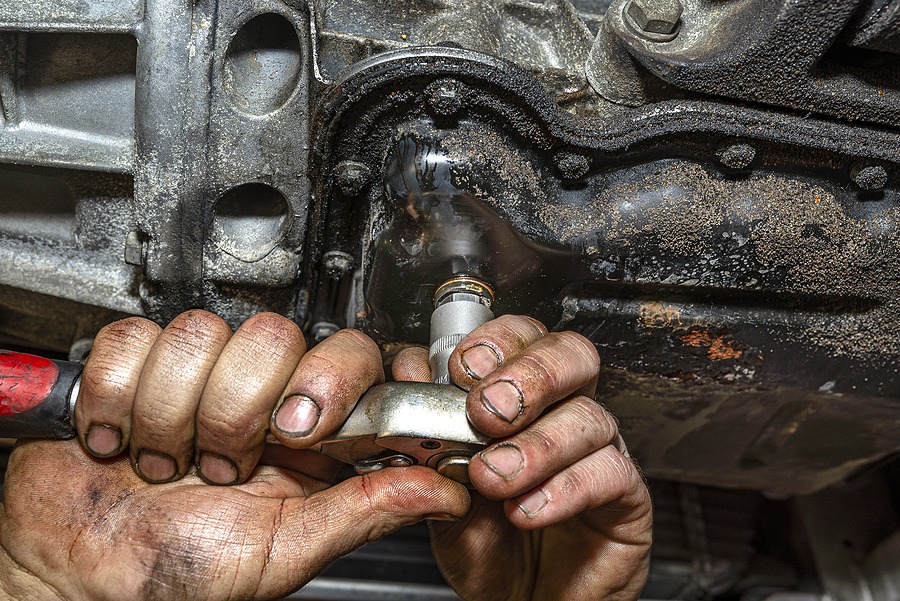
DIY can make sense if you have jack stands or ramps rated for the vehicle, a torque wrench, a drain pan wide enough for messy fluid, the correct gasket, the right fluid spec, and a service guide. The pan has to come down evenly, the old gasket material must be removed without gouging the surface, and the bolts need a careful torque sequence.
The messy part catches people off guard. Even after draining, fluid hides in the pan. A pan without a drain plug can dump fluid sideways when the last bolts loosen. Wear gloves, keep cardboard down, and have more absorbent pads than you think you need.
Do not use random sealant unless the service procedure calls for it. Some gaskets go on dry. Some pans use RTV instead of a formed gasket. Mixing methods can cause leaks or squeeze sealant into places it does not belong.
When paying a shop is the cheaper choice
A shop is the better call when the vehicle has no dipstick, uses a temperature-based fill method, has a plastic pan-filter unit, or shows shifting problems. It is also the better call when rust has attacked the pan bolts. Broken bolts turn a low-cost job into drilling, extraction, and extra labor.
Ask for the old pan and gasket to be inspected. You do not need a drama-filled teardown speech. You need plain answers: Was the pan warped? Was the filter changed? Was the correct fluid used? Was the level set at the proper temperature?
For many drivers, the best value is an independent transmission shop with good local reviews. Dealers are useful for warranty cars, recall checks, and model-specific procedures. The cheapest quote is not always wrong, but it should still explain the fluid spec and refill process clearly.
Conclusion
A transmission pan leak is one of those repairs that rewards early action. The first stain may not mean the gearbox is failing, and it does not need to turn into a giant bill. Still, the leak has to be taken seriously because automatic transmissions rely on fluid level in a way engines do not. A leaking transmission pan gasket should be handled as a controlled maintenance problem, not a mystery you keep feeding with extra fluid. Price the job by vehicle, not by rumor. Confirm the leak path, ask what parts and fluid are included, and make sure the pan surface is part of the inspection. If the car shifts normally and the leak is minor, you likely have room to schedule the repair. If the level is low or the shifts feel wrong, move faster. For more related maintenance reading, see automatic transmission warning signs and used car inspection tips for fluid leaks. A small gasket bill is annoying. A damaged transmission is a lesson you pay for mile after mile.
Frequently Asked Questions
How much does it cost to replace a transmission pan gasket?
Most U.S. drivers should expect a shop repair somewhere in the low hundreds to mid hundreds, though some vehicles cost more. The final price depends on labor time, fluid type, filter design, pan condition, and whether the vehicle needs a sealed-system fill procedure.
Can I drive with a transmission pan gasket leak?
A light seep may be safe for a short period if the fluid level stays correct and shifting feels normal. Fresh drips, low fluid, slipping, delayed engagement, or a burnt smell means you should stop treating it as minor and get it inspected soon.
What does leaking transmission fluid look like?
Automatic transmission fluid is often red, pink, reddish-brown, or dark brown. It usually feels thinner than engine oil and may leave spots near the center or front-side area under the vehicle. Older fluid may smell burnt or sharp after a drive.
Is a pan gasket leak the same as a transmission leak?
It is one type of transmission leak, but not the only one. Cooler lines, axle seals, drain plugs, electrical sleeves, torque converter seals, and case seals can also leak. The pan may look wet even when fluid started higher up.
Should the transmission filter be replaced with the gasket?
Often, yes, because the pan is already removed. On many vehicles, replacing the filter during the same service makes sense. Some modern pans include the filter inside the pan assembly, so the correct answer depends on the vehicle design.
Why did my transmission pan gasket leak after a fluid change?
Common causes include uneven bolt torque, an old pan with a warped lip, leftover gasket material, the wrong gasket, damaged bolt holes, or too much sealant. A leak after service does not always mean the gasket failed by itself.
Can low transmission fluid cause shifting problems?
Yes. Low fluid can cause delayed engagement, slipping, harsh shifts, flare between gears, noise, and heat buildup. Once those symptoms appear, the repair is no longer only about stopping the leak. The fluid level and transmission behavior need checking.
Is it better to replace the pan or only the gasket?
Only the gasket may be fine if the pan is flat and clean. Replacing the pan is smarter when the rail is warped, rusted, cracked, or built with an integrated filter. Reusing a damaged pan can make the new gasket fail again.