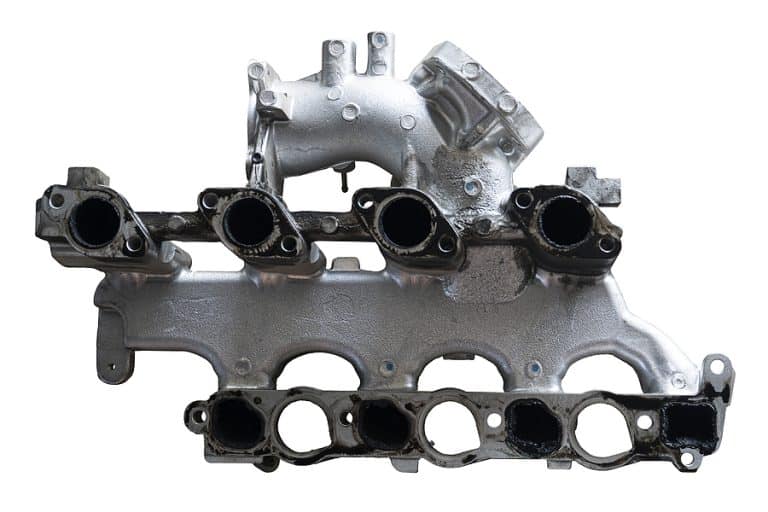
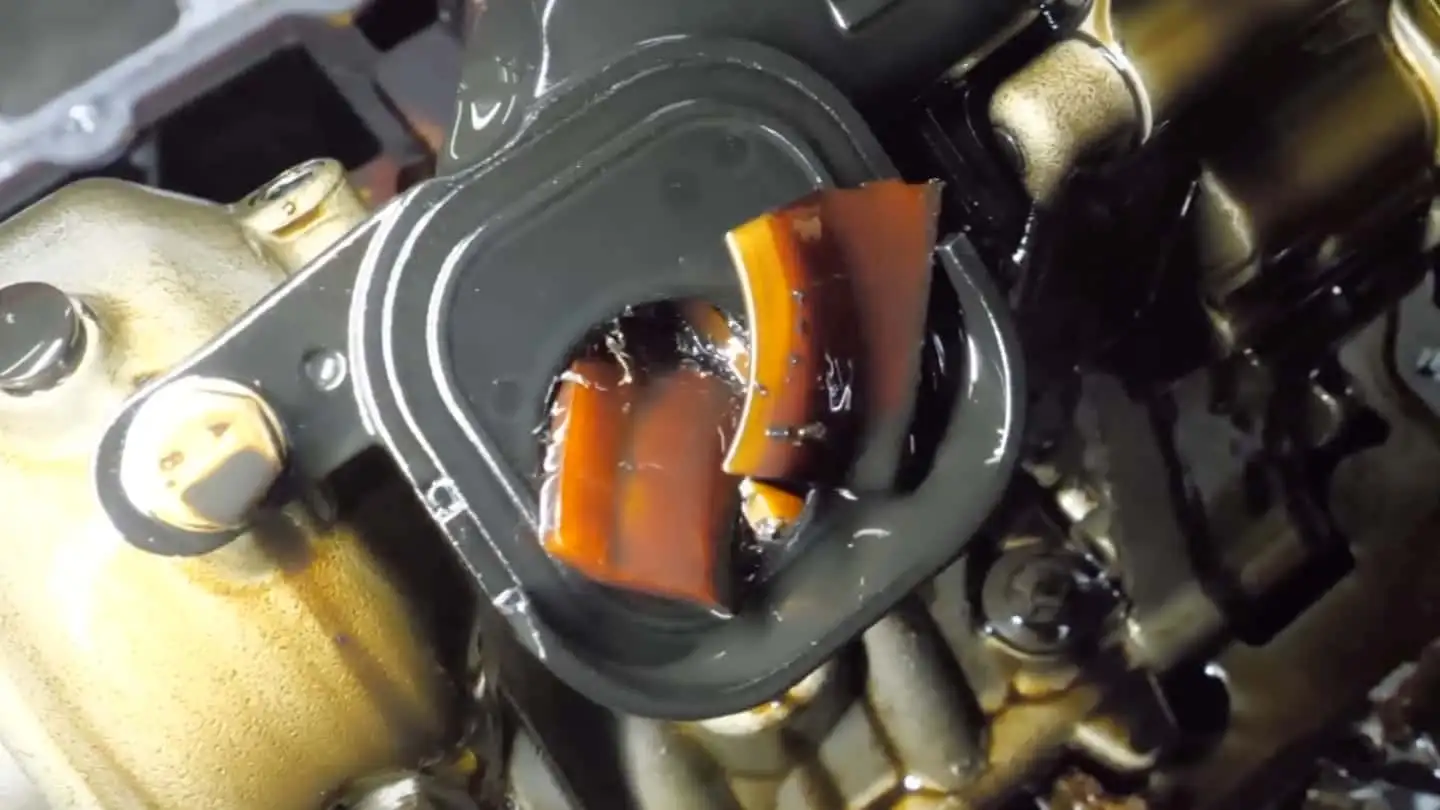
A turbo BMW rarely hides a breathing problem for long. The first clues may look small: a puff of blue-gray smoke after idle, a rough cold start, a strange whistle near the valve cover, or oil disappearing faster than it should. For many U.S. owners, Failing Oil Separator Valve Symptoms in BMW Turbocharged Engines are confusing because they can mimic worn turbo seals, bad spark plugs, a valve cover leak, or even a tired engine. The better way to read the problem is to think about pressure. Your BMW’s crankcase ventilation system has to separate oil mist from blow-by gases while the turbo keeps changing intake vacuum and boost. When that balance slips, oil goes where it should not go. It coats intake pipes, burns in the chambers, stains gaskets, and may trigger lean mixture faults. A good diagnosis starts before parts are ordered. That same practical mindset matters across ownership, repair planning, and automotive maintenance decisions because guessing gets expensive fast on BMW engines.
How BMW Turbo Engines Breathe Under Pressure
Turbocharged BMW engines ask a small plastic-and-rubber system to do a harsh job. Combustion pressure sneaks past the piston rings as blow-by, carrying fuel vapor, moisture, and oil mist into the crankcase. That vapor has to be routed back into the intake, but liquid oil should be separated and returned instead of being burned. When the separator, diaphragm, hoses, or valve cover passages lose control, the engine does not fail in one dramatic moment. It starts acting slightly wrong, then more wrong, until the owner is chasing smoke, leaks, and fault codes.
What the separator is supposed to do inside a boosted BMW
The crankcase ventilation system is not a simple hose. On many BMW turbo engines, it is built into the valve cover or tied into a network of molded lines, check valves, intake ports, and turbo inlet plumbing. Its job changes by driving condition. At idle and light throttle, intake vacuum pulls vapors from the crankcase. Under boost, check-valve logic keeps pressure from being forced backward into the engine.
That is why a failing breather can feel so random. Your 335i, 535i, X3, X5, or 2 Series may idle rough at a red light, then feel normal on the highway. Or it may smoke after sitting in a drive-thru, then clear out once you merge onto the freeway. The fault follows pressure changes, not your mood.
A non-obvious point: the turbo often gets blamed because it sits near the oily mess. Yet the turbo may be a witness, not the criminal. If the breather lets oil mist collect in the charge pipes, the compressor housing and intercooler can look guilty even when the turbo shaft is still healthy.
Why BMW PCV valve failure can feel like a tune-up problem
BMW PCV valve failure often shows up as idle shake, hesitation, lean codes, or a mild misfire. That can send owners toward spark plugs, coils, injectors, or fuel trims first. Those parts can fail too, but the breathing system deserves an early look because it changes the air-fuel mix in a sneaky way.
When the diaphragm tears or the valve sticks open, the engine may pull too much vacuum through the crankcase. That extra air is not measured the same way clean intake air is measured. The computer tries to correct, fuel trims move, and the idle gets uneven. BMW service bulletin material filed with NHTSA describes rough idle, misfire, whistling or howling noises, and increased mixture adaptation values as signs tied to crankcase ventilation diagnosis, with the noise sometimes being mistaken for a bad turbocharger.
The odd part is that a car can still feel quick. Many owners delay repair because full-throttle power seems fine. That is the trap. A turbo BMW can mask a crankcase ventilation problem during boost, then reveal it at idle, decel, or the first start after an overnight park. Power is only one clue. Behavior between power events matters more.
Why the Oil Separator Valve Fails Before the Rest of the Engine Feels Sick
The Oil Separator Valve sits in a dirty, hot, pressure-sensitive neighborhood. It sees oil vapor, heat soak, short-trip moisture, winter condensation, rubber aging, plastic hardening, and constant vacuum changes. On a U.S. daily driver that runs errands, school pickup, traffic, and short commutes, the system may suffer more than a highway car with higher miles. That surprises people. Mileage matters, but use pattern can matter more.
Heat, boost, and plastic turn small faults into messy ones
BMW turbo engines pack heat tightly. After shutdown, heat rises into the valve cover area. Plastic housings bake. Rubber diaphragms stiffen. Hoses get brittle at the ends. A part that worked on Friday can split during a cold Monday start because the material no longer flexes.
Boost adds another layer. Under hard acceleration, the system must block boost from entering the crankcase. If a check valve leaks or a diaphragm cannot regulate pressure, crankcase pressure can rise. Pressure then looks for weak spots: valve cover gasket, oil filter housing gasket, rear main seal area, turbo drain flow, or oil cap seal. The symptom may appear as an oil leak even though the first failure was air control.
Here is the part many owners miss. Replacing only the wet gasket may not stop the leak. If crankcase pressure remains wrong, the fresh gasket gets blamed next. A shop that understands BMW engines will test pressure or vacuum before turning a gasket job into a repeat visit. That is the difference between repair and parts swapping.
When turbo engine oil smoke points away from the turbo
Turbo engine oil smoke is easy to fear because turbo replacement costs can sting. Blue-gray smoke from the exhaust, oily charge pipes, and oil inside the intercooler can all make the turbo look worn. Sometimes it is. But the breather should be checked before anyone orders a turbo.
A failed separator can allow oil mist to enter the intake stream. That oil can pool in low spots, then burn when airflow changes. You may see smoke after idling, after a long downhill coast, or when pulling away from a stop. In some BMW models, the exhaust may smell oily before the smoke becomes obvious.
The counterintuitive clue is timing. A turbo seal issue often gets worse under boost or after sustained load. Breather-related smoke may be worse after vacuum-heavy conditions, like idle and deceleration. That is why a proper road test matters. A five-minute loop around the block may miss the pattern. A better test includes cold start, warm idle, light cruise, decel, and a controlled boost pull.
Symptoms You Can Test Before Buying Parts
Once you understand the pressure story, the symptoms become easier to sort. You are not trying to prove one part is bad from one clue. You are looking for a cluster: oil use, smoke, whistle, suction at the oil cap, idle change, intake oil, gasket seepage, and fuel trim behavior. One symptom can lie. Five symptoms rarely do.
Oil cap suction, idle changes, and the smell test
A common driveway check is the oil cap test. With the warm engine idling, loosen the cap carefully. A slight change in idle can be normal. Heavy suction that makes the cap hard to lift points toward excess crankcase vacuum. No suction, pressure puffing, or a cap that dances can point the other way. This is not a final diagnosis, but it is a useful warning.
Listen too. A torn diaphragm may create a whistle, squeal, honk, or hollow sucking sound. On some BMW engines, it sounds like it comes from the valve cover. On others, the noise travels through the intake tract and fools the ear. If the noise changes when the oil cap is cracked open, the breather system moves higher on the suspect list.
Smell matters. A burnt-oil smell after parking, especially near the cowl or passenger side of the engine bay, can mean oil is escaping from a gasket and landing on hot parts. The gasket may be tired, but a pressure fault may be pushing oil past it. This is where a guide to diagnosing BMW oil leaks belongs in your repair workflow, because the stain is only the ending of the story.
Oil leaks, intake film, and scan-tool clues
Pulling an intake pipe and finding a light oil film is not shocking on a turbo engine. Finding heavy pooling is different. Oil in charge pipes, wet couplers, a soaked intercooler, or fresh oil near the turbo inlet can point toward poor separation. It can also point toward turbo wear, so the inspection has to stay fair.
Scan data helps. Lean mixture codes, fuel trim correction, misfires at idle, and oxygen sensor behavior can support the case. A crankcase ventilation problem can act like an unmetered air leak. That means the car may set mixture faults before it smokes enough to scare you.
BMW PCV valve failure also gets tangled with valve cover design. On many later engines, the diaphragm is part of the valve cover assembly. Some aftermarket kits replace only the diaphragm, while many shops prefer a full cover when the cover is warped, cracked, or oil-soaked around the gasket rail. The cheaper repair is not always the smarter repair. The smarter repair is the one that fits the failure pattern.
Repair Choices, Costs, and When to Stop Driving
The repair decision should match the engine, the failure mode, and the risk. A mild whistle on a car that still runs cleanly is not the same as heavy smoke, low oil, and oil dripping onto hot surfaces. U.S. BMW owners also need to think about inspection readiness, emissions monitors, recall status, and parts quality. A rushed repair can pass the problem to the next weak point.
What a U.S. BMW owner should ask the shop to check
Ask for more than “replace the PCV.” Ask the shop to inspect the valve cover, diaphragm, breather hoses, turbo inlet, charge pipes, intercooler oil level, oil filter housing area, valve cover gasket, rear main seal clues, and stored mixture faults. If the shop has the right equipment, crankcase pressure measurement is stronger than guesswork.
You should also check recall history. BMW issued U.S. safety recalls involving PCV valve heaters on certain older models, and the NHTSA recall material describes a short-circuit risk tied to the blow-by heater in affected vehicles. Owners can confirm open recalls through the official NHTSA recall lookup. A recall heater issue is not the same as every separator or diaphragm failure, but it belongs in the conversation for eligible cars.
Parts choice matters. Cheap covers and diaphragms can create new leaks, poor fit, or fresh noises. On a daily-driven BMW in Dallas heat, Chicago cold, or stop-and-go Los Angeles traffic, low-grade rubber and plastic age fast. A good repair may cost more on day one and save you from paying twice.
When replacement saves the turbo, catalytic converter, and wallet
A bad breather can harm parts that cost far more than the breather. Oil burned through the intake can foul plugs, dirty oxygen sensors, stress catalytic converters, and create deposits on intake valves in direct-injected engines. It can also make a turbo diagnosis cloudy because the intake tract becomes oily from more than one possible source.
Turbo engine oil smoke should never be ignored for weeks. If the car is using oil fast, smoking heavily, running rough, or showing oil pressure warnings, stop driving and get it checked. A low-oil BMW can turn a repairable ventilation fault into bearing damage. That is the ugly bill.
The best repair plan is staged but firm. Confirm the pressure fault. Replace the failed assembly or valve cover with quality parts. Clean the intake tract enough to judge whether fresh oil returns. Replace fouled plugs if needed. Then recheck fuel trims and smoke after a full heat cycle. For owners planning to keep the car, pair this job with a BMW turbo maintenance checklist so small breathing faults do not grow into major engine work.
Conclusion
BMW turbo engines reward owners who pay attention to small changes early. A whistle at idle, oil loss without a puddle, smoke after sitting, or a stubborn lean code may not feel dramatic at first, but those clues often point to pressure moving the wrong way. The mistake is treating each symptom alone. The smarter move is to read the group pattern and test the crankcase ventilation system before blaming the turbo, gaskets, or sensors. A failing oil separator valve can be a modest repair when caught early, but it can create expensive damage when oil keeps entering the intake or pressure keeps pushing against seals. For U.S. owners, the right next step is simple: check recall status, inspect the breathing system, use quality parts, and demand a diagnosis that explains both smoke and pressure. Do that, and your BMW has a much better chance of staying quick without becoming a repair guessing game.
Frequently Asked Questions
How do I know if my BMW breather system is causing oil smoke?
Blue-gray smoke after idle, oily intake pipes, rising oil use, and a whistle near the valve cover all point toward the breather system. A shop should still rule out turbo seal wear, valve stem seal issues, and worn piston rings before calling the diagnosis final.
Can I drive my BMW with a bad PCV diaphragm?
Light symptoms may allow a short drive to a repair shop, but heavy smoke, rough running, fast oil loss, or warning lights mean you should stop. Continued driving can foul plugs, damage catalysts, worsen leaks, and risk low-oil engine damage.
Why does my BMW whistle when I remove the oil cap?
A mild idle change can be normal, but strong suction or a loud whistle can mean the crankcase has too much vacuum. That often points toward a torn diaphragm or stuck valve in the breather system, especially when paired with rough idle.
Is oil in the BMW charge pipe always a bad turbo?
A light film can be common on turbo engines. Heavy pooling, dripping couplers, smoke, and fast oil loss need diagnosis. The breather system can send oil into the intake and make a healthy turbo look guilty during a quick inspection.
How much does BMW crankcase ventilation repair cost in the USA?
Cost depends on engine layout, parts choice, and whether the valve cover must be replaced. Many jobs land from a few hundred dollars to well over $1,000 at independent BMW shops, especially when gaskets, hoses, plugs, or cleaning are added.
Will a bad breather cause a check engine light?
Yes, it can. Lean mixture codes, misfires, fuel trim faults, and rough idle complaints can come from incorrect crankcase vacuum. A scan alone does not prove the part failed, but it helps connect running symptoms with pressure problems.
Should I replace only the diaphragm or the full valve cover?
Only replacing the diaphragm can work when the cover is sound and the repair kit fits well. A full valve cover is often wiser when plastic is warped, the gasket rail leaks, the housing is cracked, or the car has higher mileage.
Does cold weather make BMW crankcase ventilation problems worse?
Yes. Short trips and freezing weather can increase moisture inside the breathing system. Condensation, brittle rubber, and thick oil vapor can expose weak parts faster, especially on cars that do not fully warm up during daily driving.