

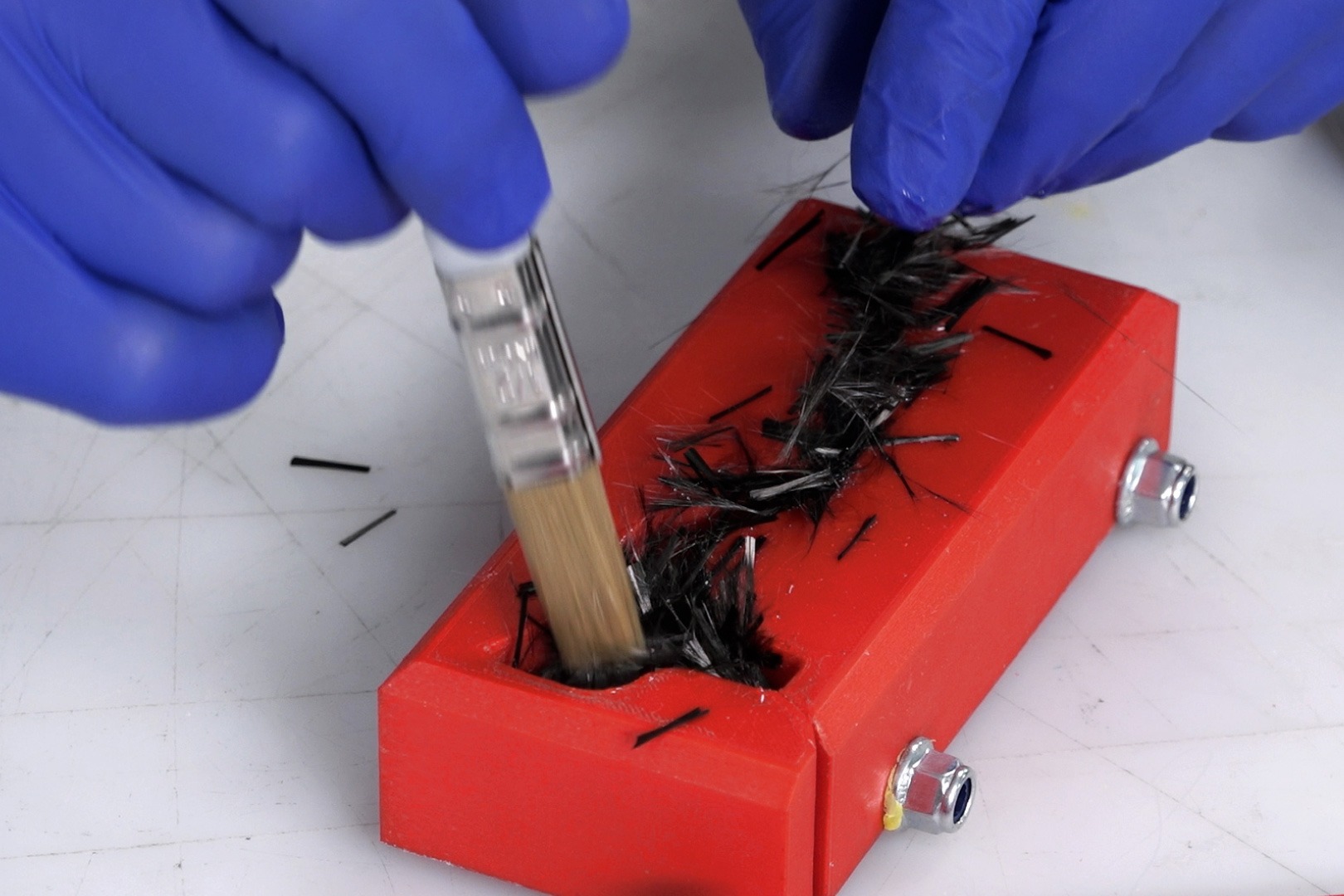
Carbon fiber components are used in automotive styling, performance applications, industrial products, and specialized equipment. Producing these components consistently requires a controlled manufacturing process, and the mold is one of its most important elements.
A mold determines the basic shape of a component and can influence its surface finish, dimensions, and ease of removal. For manufacturers working with complex composite parts, careful tooling design and quality control help reduce production problems.
What Is a Carbon Fiber Mold?
A mold is a shaped tool used to form a component during manufacturing. In composite production, reinforcing fibers and resin are arranged or processed against the mold so that the material takes the required shape.
The mold must be suitable for the selected resin system, manufacturing method, temperature conditions, and expected production volume.
Why Mold Design Matters
Poor mold design can make fiber placement difficult, create uneven surfaces, or complicate part removal. It may also increase the likelihood of defects or require additional finishing work.
A well-designed mold takes the component’s geometry and manufacturing process into account from the beginning.
Defining the Component Requirements
Before creating a mold, manufacturers need a clear specification for the final component.
This may include dimensions, surface finish, mounting points, material system, operating conditions, and production quantity. Critical tolerances should be identified so that the tooling can be designed around the most important requirements.
Understand the Intended Application
A decorative automotive panel has different requirements from a load-bearing component. The application influences material selection, reinforcement layout, inspection criteria, and the level of testing required.
The mold itself cannot guarantee that a finished component will perform as intended. Product design, materials, and process control must work together.
Designing the Mold Geometry
The mold must reflect the component’s intended shape while supporting the chosen manufacturing method.
Curves, recessed areas, sharp transitions, and undercuts can complicate production. Some designs require multiple mold sections or a carefully planned release direction.
Plan for Part Removal
A component must be removable without damaging the mold or the finished part. Designers should consider how the material will contract or interact with the mold during curing and release.
A design that ignores these factors may produce a part that is difficult to remove or requires excessive force.
Prototype testing can help identify these problems before the tooling is used for repeated production.
Choosing a Mold Material
Molds can be made from different materials, including metals and composite systems. The best option depends on component geometry, operating conditions, production volume, required precision, and budget.
Metal tooling may be suitable for demanding production requirements. Composite tooling may be appropriate for selected projects where its characteristics match the manufacturing process.
Consider Temperature and Stability
Some resin systems require controlled heating or curing. The mold must tolerate the process without unacceptable distortion or degradation.
Dimensional stability is important because changes in the mold can affect the shape of the finished component. Manufacturers should follow the relevant material and process specifications.
Preparing the Mold Surface
The mold surface can influence the final finish of the component. Before production, it should be inspected for contamination, scratches, and other defects.
Depending on the process, surface preparation may involve polishing, sealing, or applying an appropriate release agent.
Controlling Contamination
Dust, oils, and incompatible residues may cause surface imperfections or interfere with release. Consistent cleaning procedures help reduce these risks.
The release product must be compatible with the mold, resin system, and intended surface finish. Using an unsuitable product can create defects or increase finishing work.
Understanding Fiber Placement
Carbon fiber reinforcement may be supplied as woven fabric, unidirectional material, or other engineered forms. Its orientation can influence the properties of the finished composite.
Complex mold geometry can make it difficult to position reinforcement without wrinkles or gaps.
Reducing Placement Problems
The production process should be planned around the component’s shape. Some designs may require multiple layers, carefully arranged reinforcement, or adjustments to the geometry to support consistent placement.
The appropriate approach depends on the intended function of the component and the manufacturing method. A decorative part and a structural component may require different reinforcement strategies.
Manufacturing and Curing Control
Composite production involves more than placing fibers into a mold. Resin handling, material storage, processing conditions, and curing all influence the finished result.
Manufacturers should follow the specified process for the chosen material system. Variations in temperature, pressure, or curing time may affect quality.
Inspecting the First Component
After the first part is produced, check its dimensions, surface finish, mounting points, and any other critical features.
If a defect appears, determine whether the cause relates to the mold, material placement, resin handling, or curing process. Identifying the source helps prevent repeated problems.
Quality Control for Production Molds
A mold should be inspected before use and at appropriate intervals during its working life.
Checks may include surface condition, dimensional stability, wear, contamination, and damage around edges or mounting areas.
For a manufacturer or buyer seeking a carbon fiber mold tooling manufacturer it is important to evaluate the supplier’s ability to support the complete process, including design review, tooling production, inspection, and maintenance guidance.
Documentation and Traceability
Record tooling revisions, maintenance work, and any changes to the manufacturing process. This information can help explain variations in the finished components.
Clear documentation is especially valuable when a mold is used repeatedly or when multiple teams are involved in production.
Planning for Cost and Production Volume
Tooling cost depends on the mold’s size, complexity, material, required precision, and manufacturing method.
A prototype mold may be designed for a limited number of parts, while a production mold may need to withstand repeated use. The correct choice depends on the project’s expected output and quality requirements.
Ask for a quotation that clearly identifies design work, tooling material, finishing, inspection, and any prototype revisions.
Maintenance and Storage
Clean the mold according to the manufacturer’s recommendations and protect its surface from scratches and contamination.
Store it in a suitable environment and position that reduces the risk of damage or distortion. Inspect the mold before production resumes after extended storage.
A documented maintenance routine helps identify wear early and can reduce the likelihood of unexpected defects during manufacturing.
Frequently Asked Questions
1. What determines the quality of a carbon fiber mold?
Quality depends on the design, material, manufacturing precision, surface preparation, and suitability for the intended composite process.
2. Can a mold be used for different component designs?
Sometimes, but only when the tooling is specifically designed to accommodate those designs. Different geometries often require separate molds or significant changes.
3. Why is mold maintenance important?
Maintenance helps preserve the mold’s surface, dimensions, and ability to release components correctly. Neglected tooling can contribute to defects and inconsistent production.
Conclusion
Reliable carbon fiber mold production begins with clear component requirements and careful tooling design. Suitable materials, thoughtful geometry, controlled manufacturing conditions, and regular inspection all contribute to consistent results. By treating tooling as part of the complete composite manufacturing process, manufacturers can improve quality, reduce rework, and support more predictable production.