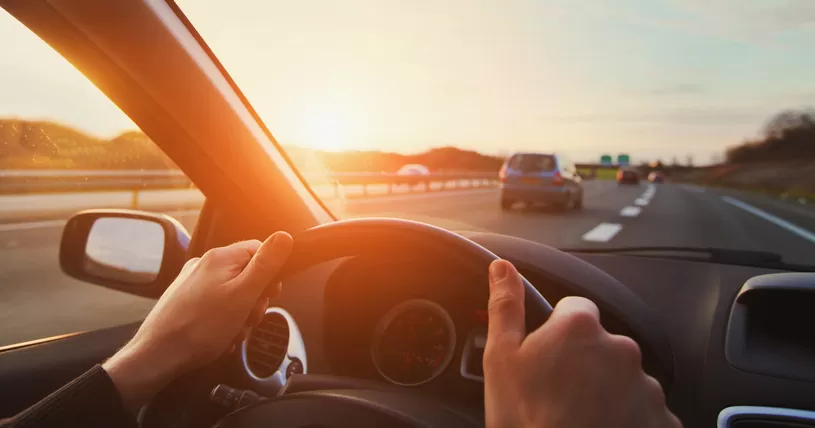
Buying a car used to feel like choosing between power, price, and badge appeal. Now the decision feels closer to building a lifestyle tool, because driver preferences have shifted toward comfort, control, safety, and long-term value in ways the old showroom script never fully captured. Drivers still care about looks and performance, but they read the road differently than they did a decade ago. A family buyer notices cabin storage before horsepower. A city commuter thinks about parking cameras before alloy wheels. A first-time owner asks about service costs before asking about top speed. That change matters because the smartest choices now come from reading behavior, not chasing trends. Platforms that help people follow market movement, buyer behavior, and automotive visibility, including digital automotive exposure, have become part of how the industry understands what people want before they say it out loud. Auto experts are not guessing when they spot new habits. They are watching trade-ins, test drives, repair questions, financing choices, and the small comments drivers make when they think nobody is taking notes.
Driver Preferences Are Moving From Status To Everyday Use
The old dream car was often designed around how it looked pulling into a driveway. The new dream car has to survive school runs, delivery zones, rough parking lots, rising fuel costs, and the quiet pressure of monthly payments. That does not mean people stopped caring about pride. It means pride has become more practical. A driver feels smart when the car fits real life without draining time, money, or patience.
Why practical car choices now feel more personal
Practical cars once carried a dull reputation, as if choosing one meant giving up taste. That idea has worn thin. Drivers now see practicality as a sign that they understand their own lives, which makes the choice feel more personal rather than less.
A compact SUV with wide-opening doors can mean more to a parent than a louder engine. A hatchback with easy cargo loading can feel better than a sedan with a longer badge history. Auto experts notice these small shifts because they show up in test-drive behavior. People spend more time folding seats, checking blind spots, pairing phones, and asking how the car behaves in traffic.
This is where practical car choices become emotional. The buyer is not saying, “I want the boring option.” The buyer is saying, “I know how my week works, and I want the car to stop fighting me.” That is a stronger desire than many flashy features can satisfy.
What comfort features reveal about daily driving habits
Comfort used to mean soft seats and a smooth ride. Now it includes noise control, screen placement, climate zones, seat height, phone charging access, and how tired you feel after an hour in traffic. Drivers judge a car by the friction it removes from ordinary days.
A sales advisor can learn a lot by watching which controls a customer touches first. Someone who checks steering-wheel buttons before opening the hood is telling you that daily interaction matters more than mechanical bragging rights. Someone who asks about rear air vents may be thinking about children, parents, pets, or ride-share passengers.
The counterintuitive part is that comfort can beat power even for drivers who enjoy driving. A person may love acceleration, but they live with seat support, cabin noise, and screen glare every day. Power gives a thrill for seconds. Comfort shapes the whole commute.
Changing Driver Preferences Show Up First In Test Drives
A test drive is no longer a short proof of engine response. It has become a live audit of how a car fits the buyer’s habits, fears, routines, and private annoyances. Changing driver preferences become visible in these moments because people reveal more through behavior than through the answers they give on a form.
How modern vehicle needs appear before buyers explain them
Buyers often walk in with one idea and leave surprised by what actually matters. They may say they want a sporty model, then spend the drive asking about rear visibility, parking sensors, tire cost, and how easy it is to clean the seats. The shift is not confusion. It is discovery.
Auto experts pay attention to that gap between what a buyer says and what the buyer tests. A commuter who takes a tight turn slowly may care about confidence more than speed. A buyer who keeps adjusting the seat may need better ergonomics, not a different trim package. A person who asks whether the screen freezes in cold weather is thinking beyond the brochure.
This is why modern vehicle needs cannot be reduced to one category. They mix emotion, budget, safety, and routine. The best experts listen for the real need beneath the stated preference, because that is where the right recommendation usually lives.
Why safety expectations now shape brand trust
Safety used to sit in the background unless a buyer had children or a long highway route. Now it sits near the front of the conversation. Drivers ask about lane support, blind-spot alerts, braking assist, camera quality, lighting, and crash protection with less embarrassment than before.
This does not mean drivers trust every safety feature. Many have learned that bad alerts can become annoying, and overactive systems can feel like a passenger grabbing the wheel. Trust grows when the system feels helpful without acting nervous. That detail matters.
A buyer who values safety expectations is not asking for a car that drives for them. They want a car that gives them a margin when the road turns messy. Auto experts notice that people want protection, but they also want authority. The car can assist, but it cannot boss them around.
Technology Matters Only When It Solves A Real Problem
Drivers are not impressed by screens for their own sake anymore. They have lived with enough laggy menus, awkward voice systems, and buried settings to know that more tech can mean more irritation. The winning features are the ones that shorten a task, reduce stress, or prevent a mistake before it costs money.
What infotainment complaints tell auto experts
Few things expose weak design faster than a driver trying to change music, adjust the temperature, or find navigation during a test drive. A slow system makes the whole car feel less polished, even when the engine and ride are strong. That reaction may seem harsh, but it makes sense. Drivers touch the interface constantly.
Auto experts hear the same complaints in different words. One buyer says the screen feels busy. Another says the climate controls are hidden. Someone else says the voice assistant never understands them. The shared message is plain: technology should not demand attention while the road already has a claim on it.
This is where buyer patience has changed. People no longer forgive awkward controls because the car has a premium badge. A cheaper model with clear buttons and quick pairing can win against a fancier car that makes simple tasks feel like a puzzle.
Why connected features must earn their place
Connected features sound appealing until drivers start asking what they actually do. Remote start matters in extreme weather. Vehicle tracking matters for families sharing one car. Service alerts matter when they prevent a missed maintenance visit. Beyond that, interest drops fast.
A feature earns loyalty when it saves a driver from a problem they already recognize. A remote lock alert helps someone who has walked away from the car with doubts. A tire-pressure warning helps someone who has had a blowout before. Personal history turns a feature from decoration into relief.
The surprise is that many drivers do not want their car to feel like a phone on wheels. They want familiar digital help without digital clutter. Auto experts notice that the best technology disappears into the routine. The worst technology keeps asking to be admired.
Ownership Costs Are Rewriting The Meaning Of Value
Price still matters, but drivers have become sharper about the difference between buying a car and living with one. A low sticker price can lose its shine once insurance, fuel, tires, depreciation, and repair bills enter the room. The new value conversation begins after the sale, not before it.
How fuel economy and service costs change the shortlist
A buyer may start with five favorite models, then cut the list after checking fuel economy and service history. That process has become normal. Drivers compare oil change intervals, tire sizes, parts availability, battery replacement costs, and warranty coverage with a seriousness that once belonged mostly to fleet managers.
This is not penny-pinching. It is self-defense. A car that saves money on paper but needs expensive tires every few years may not feel like a bargain. A model with strong resale value can beat a cheaper rival because the owner sees the full arc of ownership.
The smartest practical car choices often come from this broader view. A driver who spends more upfront on a reliable model may spend less across five years. That feels counterintuitive at the dealership, but it feels obvious when the repair bills never arrive.
Why resale value affects emotional confidence
Resale value sounds cold, but it has an emotional side. Drivers feel calmer when they know they can exit a car without taking a brutal financial hit. That confidence changes how they buy, how they finance, and how long they plan to keep the vehicle.
Auto experts see this in conversations around hybrids, electric vehicles, diesel models, and discontinued nameplates. Buyers ask whether the market will still want the car in four years. They worry about battery health, policy changes, fuel prices, and parts support. Those concerns are not abstract. They affect whether someone signs the papers.
Strong resale value also gives buyers permission to choose a car they enjoy. When the long-term risk feels controlled, the purchase feels less like a gamble. That is why value now includes trust in the future, not only satisfaction on delivery day.
Lifestyle Changes Are Redrawing The Buyer Map
The final shift sits outside the car itself. Work patterns, family size, city design, travel habits, and delivery culture all shape what drivers want. A vehicle no longer serves one fixed role. It may be an office, a family shuttle, a weekend escape tool, and a quiet place to take a phone call between errands.
How flexible routines influence car selection
Remote and hybrid work changed mileage patterns for many drivers. Some people drive less often but take longer trips when they do. Others spend more time in local traffic because errands moved into weekday gaps. The result is a strange mix: lower annual mileage for some, higher demand for comfort when driving does happen.
That shift affects choices in unexpected ways. A driver who no longer commutes daily may accept a larger vehicle for weekend use. Another may drop from two household cars to one better-equipped model. A third may choose a fuel-efficient city car because parking has become the bigger pain than highway performance.
These changes keep modern vehicle needs fluid. A buyer’s best option may not match last year’s habits, and that is the point. Auto experts who ask about routine before recommending a model usually get closer to the truth.
Why identity still matters, but in a quieter way
Drivers have not stopped using cars to express identity. They have changed the language. Instead of shouting status, many now signal discipline, taste, responsibility, or independence through the car they choose. A clean, efficient crossover can say as much about a person as a loud coupe once did.
This quieter identity shows up in color choices, trim preferences, and feature packages. Some drivers want understated cabins with fewer distractions. Others want rugged styling without ever planning serious off-road travel. The desire is still emotional, even when the explanation sounds practical.
Auto experts understand that people rarely buy only with logic. They build a rational case around a feeling that already has momentum. The skill is not dismissing that feeling. The skill is helping the buyer choose a car that still makes sense when the excitement cools.
Conclusion
The best way to understand the car market is to stop treating buyers as predictable categories. Drivers are more informed, more cautious, and more honest about the daily annoyances they refuse to tolerate. They still want cars that feel good, but they define “good” through usefulness, confidence, cost control, and fit. That is a healthier market, even if it makes selling cars harder. Auto experts who pay attention to driver preferences can spot demand before it becomes obvious on sales charts. They know a question about seat height may reveal a comfort priority, and a complaint about screen menus may reveal a deeper trust issue. The next smart move for any buyer is simple: write down how you actually use your car for one normal week before comparing models. A car chosen around real life will always age better than one chosen around a showroom mood.
Frequently Asked Questions
What are the biggest changing driver preferences auto experts notice today?
Drivers now care more about comfort, safety, ownership costs, and useful technology than old status markers alone. Style still matters, but buyers increasingly judge a car by how well it handles traffic, parking, fuel costs, family needs, and long-term reliability.
How do practical car choices affect buying decisions?
Practical car choices help buyers focus on daily use instead of short-term excitement. Cargo space, seat comfort, visibility, service costs, and fuel use can decide whether a car feels satisfying after the first month, not only during the test drive.
Why are modern vehicle needs different from past buyer habits?
Modern vehicle needs reflect busier routines, higher costs, digital expectations, and stronger safety awareness. Many drivers want one car to handle commuting, family duties, weekend travel, and connected features without becoming expensive or annoying to own.
How do safety expectations influence car brand loyalty?
Safety expectations shape trust because drivers want protection that feels calm and reliable. Brands that offer clear visibility, helpful alerts, strong lighting, and dependable braking support often earn repeat buyers because they reduce stress in real driving conditions.
Why do drivers care more about ownership costs now?
Drivers care more about ownership costs because the purchase price tells only part of the story. Insurance, fuel, repairs, tires, depreciation, and financing can make a cheaper car cost more across several years than a better-built model.
How can auto experts identify buyer preferences during a test drive?
Auto experts watch what buyers test, touch, and question. Seat adjustments, parking behavior, phone pairing, visibility checks, and comments about noise or controls often reveal deeper priorities than the model or trim the buyer originally requested.
What role does technology play in modern vehicle needs?
Technology matters when it solves a clear problem. Drivers value fast phone pairing, accurate cameras, remote access, and simple controls, but they lose patience with cluttered screens, slow menus, and features that distract more than they help.
How should buyers respond to changing driver preferences before choosing a car?
Buyers should compare cars against their real weekly routine. Commute distance, passengers, parking spaces, fuel budget, climate, cargo needs, and service access reveal which model fits best long after the first impression fades.